Products
No results were found for your search. You can try a different keyword.
How Should Coffee Beans Be Stored? The Right Way to Preserve Freshness
You've bought a beautiful package of Juan Valdez coffee. Carefully picked from the slopes of the Andes Mountains and meticulously roasted, the beans are now in your home. So what do you do next?
Most people open the package, leave it in a corner, and scoop out a spoonful every morning. It sounds reasonable, but this method quickly destroys the aromas locked inside those wonderful beans.
Freshness in coffee is far more delicate than most people realize, and with the right storage method, you can enjoy the same beans at their best for much longer.
Why Does Coffee Go Stale So Quickly?
To understand this, it's helpful to take a quick look at the roasting process. When coffee beans are roasted, a significant amount of carbon dioxide (CO₂) builds up inside them.
Immediately after roasting, this gas gradually begins to escape in a process known as "degassing."
The rich, almost enveloping aroma of freshly roasted coffee comes from this very gas.
The problem is that as the gas escapes, it carries away some of the coffee's aroma as well. And once the gas is gone, something else starts taking its place: oxygen.
Oxidation is coffee's greatest enemy. It breaks down the oils, flattens the aromas, and gradually transforms those caramel, hazelnut, and floral notes into dull, bitter flavors.
Add moisture, light, and heat to the equation, and you have an extremely delicate product on your hands.
The long journey Juan Valdez coffee makes from the Andes Mountains to your table can easily be wasted on your own kitchen counter.
The Four Enemies of Coffee Beans
To store coffee properly, here are the main things you need to avoid:
Oxygen – The biggest enemy. As soon as the beans come into contact with air, oxidation begins and aroma loss accelerates.
Moisture – Coffee beans absorb moisture very quickly. Steam in the kitchen, a wet spoon, or even humidity in the air can negatively affect the beans.
Light – Direct sunlight in particular damages the coffee's oils and alters its flavor profile.
Heat – High and fluctuating temperatures speed up both degassing and oxidation.
What Should the Ideal Coffee Storage Container Be Like?
The ideal container for storing coffee beans should have several important characteristics.
It should be airtight. However, there's a subtle point here: completely vacuum-sealed containers are not always ideal because freshly roasted beans continue releasing gas.
That's why containers with a one-way CO₂ valve are preferred—they allow gas to escape while preventing air from entering.
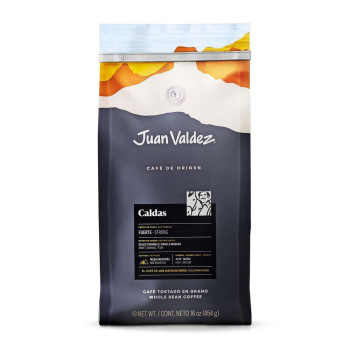
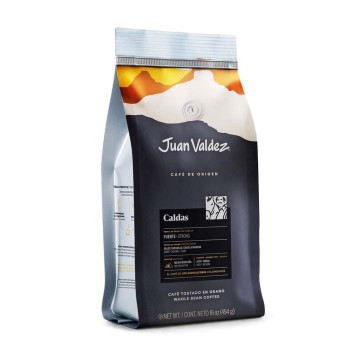
The small valve found on Juan Valdez packaging serves exactly this purpose.
It shouldn't be transparent. As mentioned earlier, coffee needs protection from light. Glass jars may look attractive, but they are not the most practical option.
Matte ceramic, stainless steel, or dark-colored containers provide much better protection.
It should resist moisture. Plastic containers can eventually allow moisture in and may even impart a plastic taste to the coffee. Ceramic and stainless steel are better choices.
It should also be practical. Since you'll be opening and closing it every morning, ease of use matters.
Where Should You Store Coffee?
Kitchen countertop – Acceptable only if it's away from the stove, sunny windows, and sources of steam. An open, sunlit countertop is definitely not suitable.
Inside a cabinet – Ideal. Cool, dark, and with a stable temperature. Perfect for coffee. Just avoid cabinets directly above the stove or dishwasher, as they get too warm. Choose a quiet, cool cabinet instead.
Refrigerator – A common mistake. Refrigerators are cold, but they are also humid and full of odors. Coffee beans quickly absorb surrounding smells, and before long you may notice hints of onion or cheese in your coffee. It's not suitable even for short-term storage.
Freezer – The only valid exception for long-term storage. If you've purchased a large quantity of beans and won't use part of them for another three to four weeks, you can package them in airtight bags and freeze them.
However, once they've been thawed, they should never be frozen again, as moisture then becomes a serious issue.
What Should You Keep in Mind When Storing Juan Valdez Coffee Beans?
Since Juan Valdez offers single-origin Colombian coffee beans, each collection has a slightly different aroma profile.
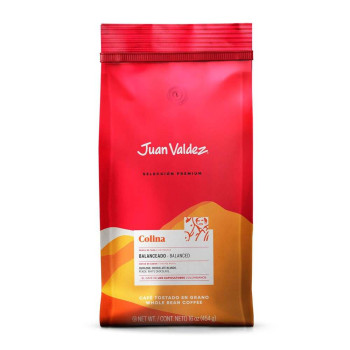
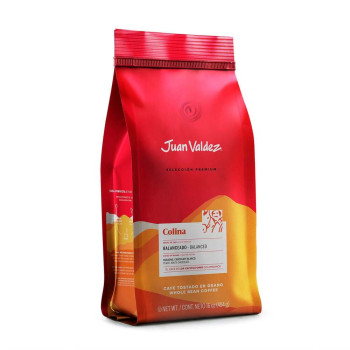
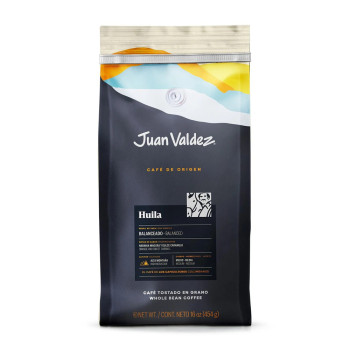
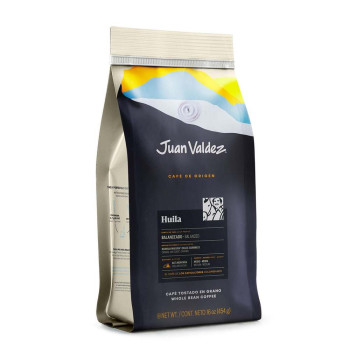
Whether it's the balanced body and caramel notes of Huila, the bold ripe fruit character of Caldas, or the silky peaberry texture of Colina, freshness is essential to experience them at their best.
Here are a few practical recommendations:
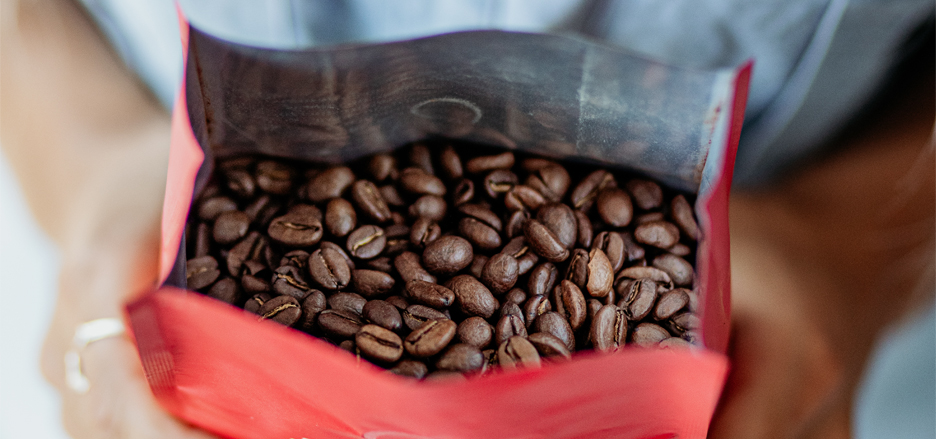
When you first open the package, you can continue using the original packaging if it has a one-way valve and is resealable. Juan Valdez packages generally have these features. After each use, squeeze out as much air as possible before sealing it again.
If you prefer using a separate container, choose an airtight ceramic or stainless steel container with a one-way valve.
If you've purchased a large bag, divide the beans into smaller portions. Instead of opening and closing one large container every day, store weekly portions in separate small containers.
This way, you won't expose your entire coffee supply to air every time you make coffee.
Small Habits That Make a Big Difference
Dry the spoon before using it. Scooping coffee with a wet spoon introduces moisture into the container. Close the lid tightly every single time. A container that's left slightly open can gradually affect your entire coffee supply without you noticing.
Divide your coffee according to how much you'll use. If you've bought a large bag, separate it into smaller portions that you'll open every two weeks.
Keep it away from strong-smelling items. Don't store it in a spice cabinet, next to onions, or among tea bags. Coffee easily absorbs the aromas around it.
 How to Choose Coffee Beans?