Products
No results were found for your search. You can try a different keyword.
What Are the Differences Between Arabica and Robusta Coffee Beans? Which One Is Right for You?
You're standing in front of the coffee shelf. You have two packages in your hands. One says Arabica, the other says Robusta. The prices are different, the packaging is different, but you don't really know what the difference is.
At this point, most people either choose the cheaper one or go with the brand they're familiar with.
Yet the difference between these two words determines everything in your cup: the taste, the aroma, the caffeine content, and even how you feel in the morning.
Two Different Plants, Two Different Worlds
Arabica and Robusta are not different varieties of the same plant. They are entirely separate species. Their Latin names are Coffea arabica and Coffea canephora (Robusta is the common name for this species).
So rather than comparing apples to oranges, it may be more accurate to compare apples to quinces. Both are fruits, but they are quite different from each other.
These two species account for approximately sixty percent and forty percent of the world's coffee production.
Arabica is much more common, much more valuable, and much more delicate. Robusta, on the other hand, is resilient, productive, and affordable.
Arabica: Refined, Complex, and Delicate
Arabica originated in Ethiopia. From there, it spread to Yemen, and from Yemen to the rest of the world.
Today, it is mainly grown in Colombia, Brazil, Guatemala, Ethiopia, and Kenya.
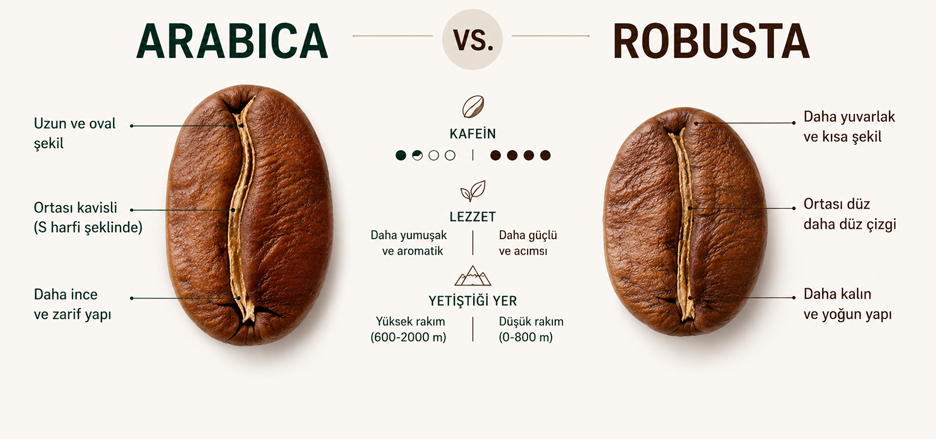
Its most distinctive characteristic is that it thrives at high altitudes. It develops best between 600 and 2,000 meters in cool, humid climates.
It ripens slowly, and this slow maturation is what creates the depth of its aroma. The more patiently it grows, the more complex compounds it develops.
What does it taste like? Fruity, floral, caramel, chocolate, and hazelnut notes—you may notice one or several of these flavors at the same time depending on where it was grown.
Its acidity is usually pronounced but not harsh; rather, it is bright and refreshing, much like the acidity of a lemon-infused tea.
Its caffeine content is relatively low, ranging between 1.2% and 1.5%. This affects both its flavor and its smooth drinkability.
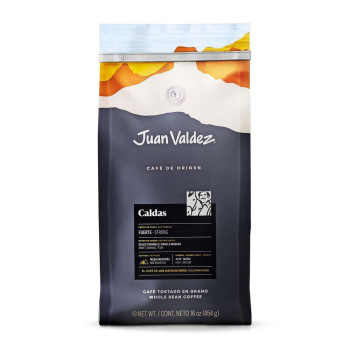
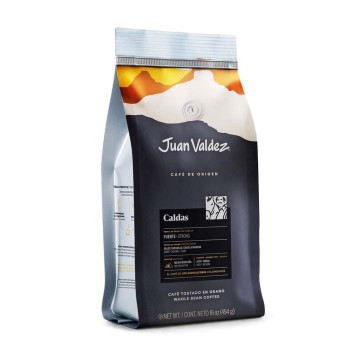
After drinking Arabica, that intense caffeine sensation usually doesn't occur. Juan Valdez uses one hundred percent Arabica beans.
Colombia, with the cool, high slopes of the Andes Mountains, is a region naturally suited for growing Arabica.
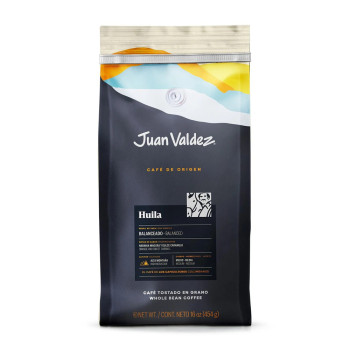
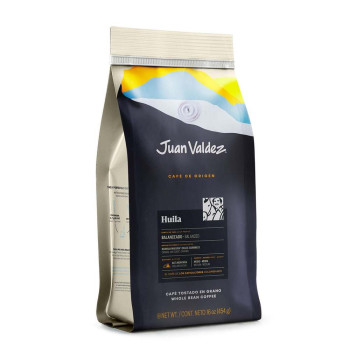
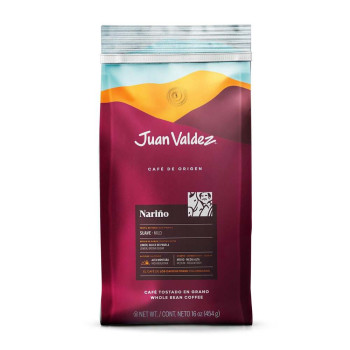
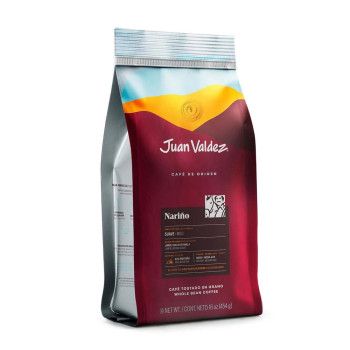
Regions such as Huila, Nariño, and Caldas are not just names; each has its own unique flavor profile and is recognized individually on the world's coffee map.
Robusta: Strong, Bold, and Resilient
Robusta is truly a resilient species. It grows easily at lower altitudes in hot and humid climates.
Its main production regions are Vietnam, parts of Brazil, Uganda, and Indonesia.
It is much more resistant to diseases. It requires less maintenance and delivers higher yields. As a result, its production cost is considerably lower than that of Arabica.
What about its taste? Strong, intense, and slightly bitter. Earthy and woody notes are prominent. It has a full body and produces a rich crema.
For this reason, it is frequently used in espresso blends, instant coffee, and inexpensive coffee mixes.
Its caffeine content is almost twice that of Arabica, ranging between 2.2% and 2.7%. If you're looking for a coffee that will really wake you up in the morning, Robusta delivers.
However, the bitterness and intensity that come with that strength may not appeal to every palate.
Which One Is the Better Choice?
Arabica is for those who want to experience coffee as more than just a beverage. It's for those who want to taste its aroma, its nuances, and the story of its origin in every cup.
Robusta is for those who need a higher caffeine boost. It's also ideal for those who want a stronger base in milk-based drinks where more delicate flavors can easily be lost.
Or simply for those who prioritize practicality and affordability.
However, when it comes to flavor complexity, aromatic depth, and drinking comfort, Arabica consistently stands out.
That's why the global specialty coffee movement is built almost entirely around Arabica.
Why Does Juan Valdez Use Only Arabica?
Colombia's geographical conditions make this choice almost inevitable. The high slopes of the Andes Mountains, rich volcanic soils, and two harvest seasons create ideal conditions for Arabica.
The low-altitude, warm regions preferred by Robusta are almost nonexistent in Colombia's coffee-growing landscape.
But this is more than just a geographical necessity. The National Federation of Coffee Growers of Colombia, represented by Juan Valdez, has upheld uncompromising quality standards for decades. Using one hundred percent Arabica is a reflection of that commitment to quality.
As a result, every Juan Valdez package contains Arabica beans that have slowly matured at high elevations in the Andes, offering a fruity and well-balanced character.