Products
No results were found for your search. You can try a different keyword.
When you look at the coffee menu, americano and long black stand side by side. Both consist of espresso and hot water, both are plain and dairy-free. The prices are close, their appearance is similar. But when you order, there are different drinks in the cup. Once you notice this difference, you never confuse them again.
The distinction seems to be merely a matter of order: which is added first, water or espresso? But this method radically changes the amount of cream in the cup, the flavor, the body, and the overall experience. A small difference in order makes a big difference in taste.
The name Americano dates back to World War II. American soldiers stationed in Europe, unable to get used to the strength of Italian espresso, began diluting it with hot water. As a result, a longer and more moderate drink appeared closer to the tastes of the palate. The Italians called it "americano".
Preparation method: first two shots of espresso into the cup, then hot water on top. Espresso first, water later. The result of this process is a significant dispersion of the cream. When espresso comes into contact with water, that golden foam layer dissolves, and the beverage becomes simpler, flatter, and visually more modest.
In terms of taste, americano is a clean, light and easy-to-drink drink. Jul. The intense character of espresso has been diluted with water, but the aroma can still be felt. This drink, which you can sip Decently and comfortably, stands somewhere between the body of the filter coffee and the character of the espresso, is very preferred throughout the world as a daily coffee.
Long black is a beverage that has spread around the world from the coffee culture of Australia and New Zealand. It carries the same ingredients as the Americano, but the order of preparation is exactly the opposite. First, hot water is put in the glass, espresso is added later. Water first, espresso on top. This order preserves the crema of the espresso.
The crema is the most valuable and fragile part of espresso, forming that golden, velvety foam layer. When espresso is poured over hot water, this layer remains intact on the surface and does not disperse. This results in a visually much more appealing beverage. And not only does the appearance change, but the taste does too.
Long black is much more intense and aromatic compared to americano. The cream carries both structure and aroma. The smell that enters through the nose at that first sip and the velvety texture that is felt on the tongue is what the cream provides. The body is heavier, the finish is longer. It has a profile closer to plain espresso, but still lacks that concentration.
It seems logical to think, "It's just a matter of order, what difference does it make?" But the chemistry of coffee makes this order important.
Espresso crema has an extremely delicate structure. This foam, which is formed by the combination of CO₂ gas and coffee oils in the coffee, which are Decoupled by high pressure, is the most characteristic feature of espresso both visually and tastefully. When water is poured into it, this structure instantly breaks down. The foam dissolves, the oils disperse, the aroma flies. This is inevitable in Americano.
In Long black, espresso is added to the water. The cream floats on the surface of the water, does not spoil. With each sip, you first taste the cream, and this transition fundamentally changes how the drink feels. This is the primary reason why expert coffee drinkers prefer long black. It delivers a much deeper and more complex experience from the same ingredients.
The difference between Americano and long black becomes more apparent the higher the quality of the beans used. When made with an ordinary espresso bean, the quality and aroma of the crema is already limited. But with a good bean, especially an Arabica with a balanced and complex flavor profile, the difference between the two beverages becomes dramatically apparent.
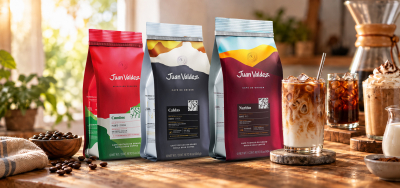
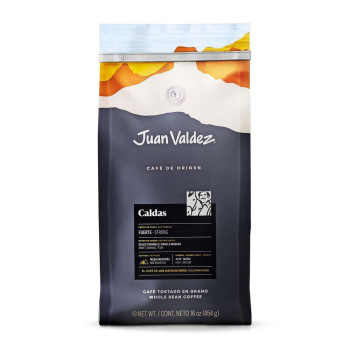
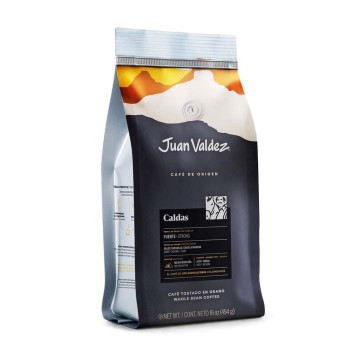
Juan Valdez's Caldas series is an ideal starting point for this comparison. With its medium-dark roast, it creates a strong yet balanced espresso base. The notes of caramel and ripe fruit manifest themselves both in the clean profile of the Americano and in the creamy intensity of the long black. In Long Black, these notes are felt much more clearly and layeredly.
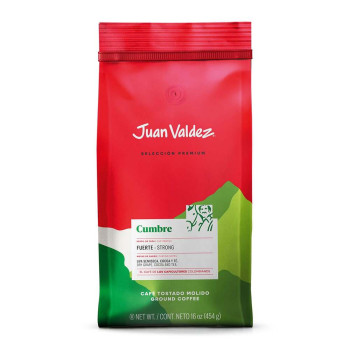
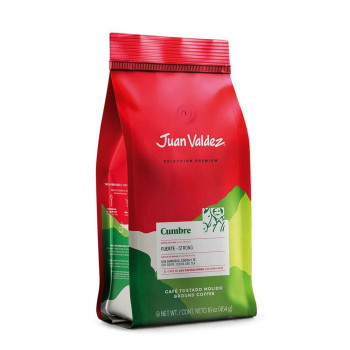
The Cumbre series is a strong alternative for those who want to go a step further. With its intense character, the creaminess of long black adds incredible depth to the beverage when preserved. When consumed as an Americano, it still has a strong but cream-free profile. Try the two methods with the same core and decide by personally experiencing the difference.
The temperature and amount of water in both drinks are an important variable. Too hot water improves the espresso, but it quickly spoils the cream. Specifically for long black, a water temperature between 85 and 90°C is slightly below ideal but more suitable for preserving the cream. Boiling water shortens the shelf life of the cream.
The amount of water determines the size and concentration of the beverage. Classic americano is usually 150 to 200 ml, while long black is preferred with slightly less water. Long black is smoked shorter and more concentrated. Americano, on the other hand, is designed for a long and leisurely drink.
You are completely free to adjust these proportions according to your own taste preferences. If you want a stronger Americano, add less water; if you want a lighter Long Black, add more water. But make sure you start from the same espresso base every time you make a change. If you're getting consistent espresso with Juan Valdez Caldas, changing the water amount won't disrupt the equation.
What truly makes the difference is the espresso quality for both coffees. A weak, low-quality, or improperly brewed espresso cannot elevate either an Americano or a Long Black to a good level. Adding water doesn't hide the problems; on the contrary, it makes them more visible. Neither an Americano nor a long black can be made well from a diluted espresso.
Therefore, investing in the espresso base is the most critical step in both beverages. When you pull Juan Valdez kernels with the right grinding and the right extraction, both americano and long black reach their true potential with a beautifully colored cream that flows in about 25 to 30 seconds.
Controlling the espresso shot with a scale is also important here. A 27 to 36 gram espresso flow from 9 grams of coffee is a solid foundation for both americano and long black. Starting from this foundation and adjusting the water ratio according to your personal taste allows you to recreate your favorite drink every day.
To put the two side by side, we can say this: Americano is a more accessible and practical drink. The dispersion of the cream produces a visually simple result, but in terms of taste, it is clean, light, and suitable for daily consumption. For those who want to sip calmly from a large cup every morning, Americano is the natural choice.
Long black is a more conscious drink. You need to do the sequence correctly, keep the water at the right temperature, add the espresso carefully. What you get in return is a cup that is much more aromatic, much more layered, and visually much more appealing. If you value the coffee experience itself, long black deserves this attention.
They both use the same ingredients. Both carry notes of caramel and ripe fruit when made with Juan Valdez Caldas or Cumbre. But in one case, these notes come dissolved in water, while in the other, they are preserved behind the cream.
 Does Coffee Spoil?