Products
No results were found for your search. You can try a different keyword.
What Is Colombian Coffee? Characteristics and Flavor Profile
On the world's coffee map, Ethiopia, Yemen, Brazil, Guatemala, and Indonesia all stand out with their own stories and unique identities. But there's one country that holds a truly special place in terms of both production volume and global reputation: Colombia.
When people think of Colombian coffee, they often think of quality, consistency, and that familiar balanced flavor. But what lies behind that reputation? Why is Colombian coffee so consistently exceptional? And what kind of experience do you actually have when you drink a cup of Juan Valdez coffee?
Why Is Colombia an Ideal Place for Coffee?
Some things aren't a coincidence—they're gifts of geography. When it comes to coffee, Colombia is exactly that kind of country.
The Andes Mountains, which run through the heart of the country, create an almost perfect habitat for coffee plants.
Elevations between 1,200 and 2,000 meters, cool nights, and mild daytime temperatures allow the beans to ripen slowly.
Slow ripening means more aromatic compounds develop within the beans.
In addition, Colombia has two distinct rainy seasons each year. This means there are two harvest seasons annually.
Many coffee-producing countries around the world don't have this advantage. Continuous harvesting means fresher beans and, ultimately, fresher coffee.
The soil is another important factor. The volcanic soils of the Andes Mountains are exceptionally rich in minerals.
Those minerals are reflected directly in the beans and ultimately in your cup.
When climate, altitude, soil, and rainfall come together, they create one of the world's most consistently outstanding coffee-growing regions.
The Flavor Profile of Colombian Coffee
There's no single answer to the question, "What does Colombian coffee taste like?" That's because beans from different regions of the country can have remarkably different flavor profiles. Still, there are some defining characteristics.
Balance is perhaps its most distinctive quality. Neither overly acidic nor overly bitter. Neither too light nor too heavy. Colombian coffee sits comfortably in the middle of these extremes, making it an ideal everyday coffee.
Caramel and brown sugar notes form the foundation of almost every Colombian coffee bean. Depending on the region, these are complemented by hints of red berries, citrus, chocolate, or hazelnuts.
The acidity is present but never harsh. It's bright, clean, and gently fruity, bringing freshness to every cup.
The body ranges from medium to full. It's not watery or delicate, yet it's not as intense as an espresso either.
That's why it typically leaves a smooth, velvety, and satisfying sensation on the palate.
One of the finest qualities of a good Colombian coffee is its long finish. Its flavor continues to linger pleasantly long after you've taken a sip.
Different Regions, Different Personalities
Describing Colombian coffee with a single flavor profile would actually be unfair. Different regions of the country produce distinctly different characteristics. Juan Valdez highlights this regional diversity through its single-origin collections.
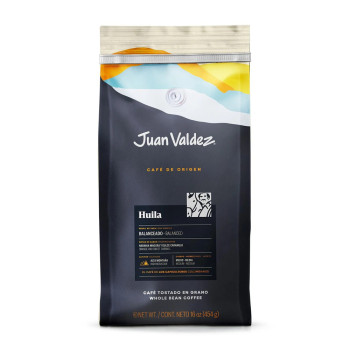
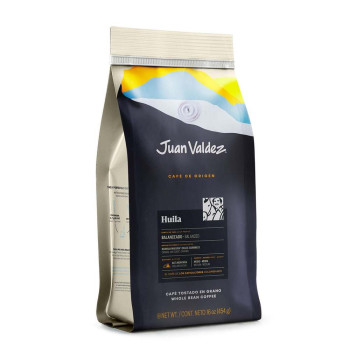
Huila
This region in southern Colombia consistently produces beans that receive recognition in international coffee competitions. High altitudes and rich volcanic soils define the area. The flavor profile features red berries, caramel, and subtle chocolate notes. It's known for its balanced acidity and long finish. Its character is expressed most clearly when brewed as filter coffee.
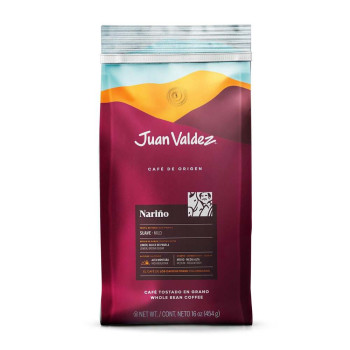
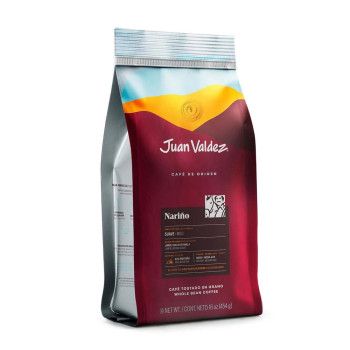
Nariño
One of Colombia's highest-altitude coffee-growing regions. Its elevation, combined with its proximity to the Equator, creates a unique climate. The flavor profile is characterized by bright acidity, sweet fruit, and citrus notes. If you're looking for a livelier, more vibrant coffee, Nariño beans should be your first choice.
Caldas
Often considered the heart of traditional Colombian coffee production. It offers a richer, fuller-bodied profile with sweet caramel as its dominant note. An excellent choice for espresso or milk-based coffee drinks.
Sierra Nevada
Coffees from this mountainous region near Colombia's Caribbean coast are rarer and especially distinctive. Chocolate, sweet spice, and dried fruit notes stand out. The region's unique climate creates a flavor profile unlike any other.
Santander
This northern Colombian region produces coffees with a fuller body and greater intensity. Rich chocolate and earthy notes make it an ideal choice for those who enjoy Turkish coffee or dark espresso.
Is Colombian Coffee Mild?
For years, Colombian coffee has been marketed by many brands as "smooth," "mild," or "suitable for everyone." That description is partly true—and partly not.
It's true that Colombian coffee has a balanced and approachable flavor profile. Because it lacks harsh bitterness and excessive acidity, it appeals to a wide audience.
However, the word "mild" does not mean "lacking depth" or "without character." When brewed properly, a high-quality Colombian coffee can offer an incredibly complex and layered experience.
The red fruit notes of Huila or the bright acidity of Nariño are signs of refinement, not simplicity.
What makes Colombian coffee easy to drink isn't the absence of character, but rather the balance and accessibility of its character.
Juan Valdez: The Global Voice of Colombian Coffee
It's almost impossible to talk about Colombian coffee without mentioning the Juan Valdez brand.
That's because the brand has become more than just a product—it has become the global ambassador of Colombia's coffee identity.
Since the 1960s, the iconic character wearing a sombrero and poncho has become synonymous with Colombian coffee around the world, evolving far beyond a simple marketing symbol.
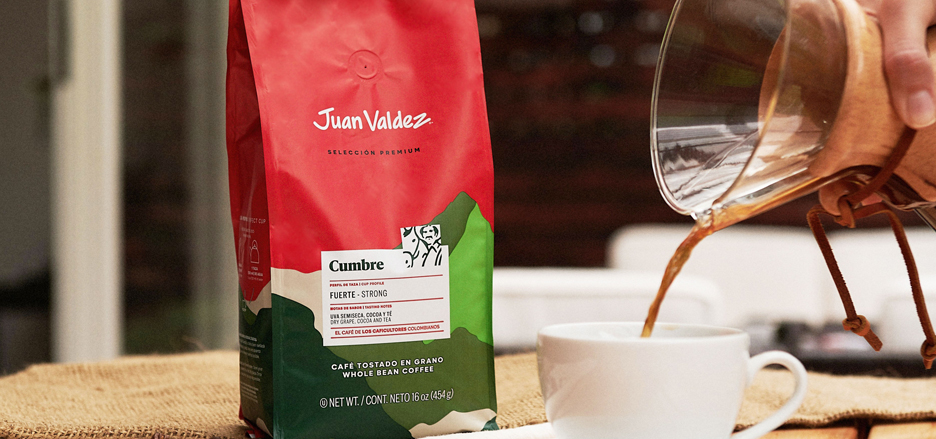
Today, the brand represents more than 548,000 small family coffee farmers. It supports a cooperative model that ensures income flows back to the producers. Every package contains one hundred percent Arabica beans that reflect the authentic character of the Andes Mountains.
Juan Valdez's different collections also serve as an invitation to discover Colombia's regional diversity. Each one tells a different story from the same remarkable country.
Colombian Coffee and Sustainability
In Colombia, coffee is more than just an agricultural product—it's a cultural heritage and the livelihood of millions of people.
This reality turns sustainability from an ordinary marketing term into a genuine necessity.
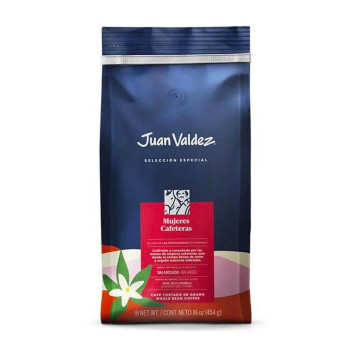
Through Rainforest Alliance certification, organic production options, the Mujeres Cafeteras collection supporting women coffee producers, and a commitment to fair pricing, Juan Valdez takes meaningful action in this area.
Projects aimed at protecting forest ecosystems in Colombia's coffee-growing regions are also part of this commitment.
When you drink a cup of Colombian coffee, being aware of this entire chain makes the experience even more meaningful.
 How to Choose Coffee Beans?
 Cold Brew Lovers, Raise Your Hands!