Products
No results were found for your search. You can try a different keyword.
Cold Brew Lovers, Raise Your Hands! You Can Easily Brew It at Home
There are days in the middle of summer when the last thing we want is a hot cup of coffee. But giving up our daily coffee ritual isn’t an option. That’s exactly where the cold brew method comes in.
Cold, smooth, almost completely free of bitterness, and strong enough to keep you energized for hours.
In recent years, cold brew has made its way from coffee shops into homes because it’s surprisingly easy to prepare. It doesn’t require special equipment or complicated techniques.
Let’s take a step-by-step look at how to make coffee using the cold brew method.
What Is Cold Brew, and How Is It Different from Iced Coffee?
Cold brew gets its name from the brewing process itself. Instead of hot water, coffee is steeped in cold or room-temperature water for an extended period—typically between 12 and 24 hours.
Although it’s often confused with iced coffee, the two are fundamentally different. Iced coffee is simply hot-brewed coffee poured over ice. It’s quick and convenient, but the ice dilutes the coffee and often leaves it with a brighter acidity. Cold brew, on the other hand, is never exposed to heat. As a result, it has much lower acidity, a smoother flavor, and a rounder mouthfeel. Some of the acids extracted during hot brewing simply do not dissolve in cold water, creating a sweeter and less acidic cup.
A well-made cold brew is usually quite concentrated. You can dilute it with water or milk before drinking, although some recipes are designed to be served directly over ice.
How Should You Choose the Right Coffee Beans?
Choosing the right coffee beans is just as important as the brewing method itself. The long, cold extraction highlights certain flavor notes while softening others. Floral aromas and bright acidity become less noticeable, while chocolate, caramel, hazelnut, and brown sugar notes take center stage.
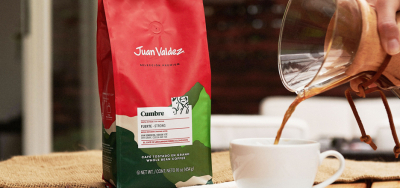
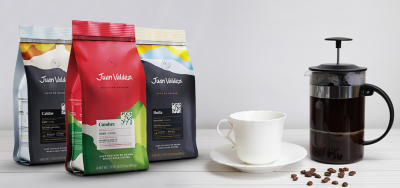
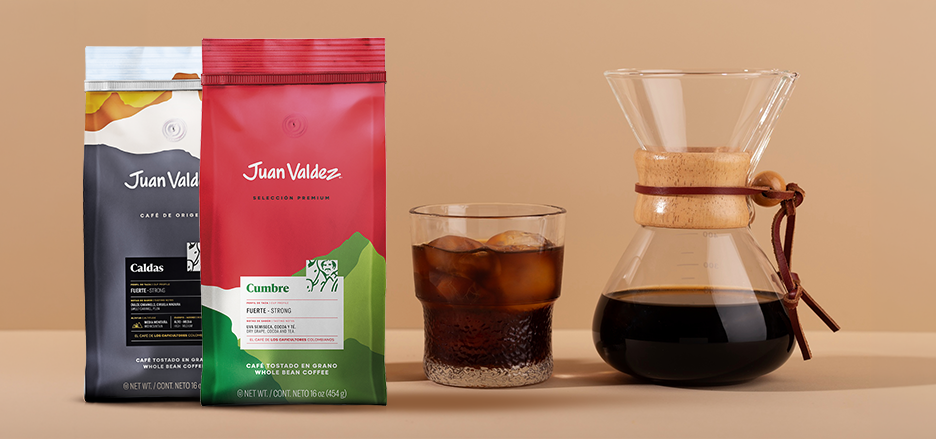
For this reason, medium to dark roast coffees generally produce the best cold brew. Juan Valdez Caldas is an excellent choice, with its sweet caramel and ripe fruit notes developing beautifully during the long brewing process, resulting in a rich and satisfying drink. If you prefer a bolder cold brew, Juan Valdez Cumbre, with its darker roast profile, is another great option.
Light roasts are generally not recommended for cold brew because their floral and acidic characteristics tend to disappear during cold extraction, leaving a flatter and less distinctive cup. Colombian Arabica beans, known for their balanced profile and caramel-forward notes, perform exceptionally well with this method.
Why Is Grind Size Important?
For cold brew, a coarse grind is essential. In fact, it should be even coarser than a French press grind—roughly the size of cracked rock salt.
There are two reasons for this. First, the coffee is steeped for a very long time. Finely ground coffee over-extracts during this period, resulting in a bitter and muddy flavor. Second, fine particles easily pass through the filter, making the drink cloudy and full of sediment. A coarse grind helps maintain a balanced flavor while making filtration much easier.
If you're using pre-ground Juan Valdez coffee, it may not be coarse enough for cold brew. Whenever possible, buy whole beans and grind them just before brewing.
What Is the Ideal Coffee-to-Water Ratio?
Cold brew can be prepared in two ways: as a concentrate or as a ready-to-drink beverage.
For a concentrated cold brew, the standard ratio is 1:4—100 grams of coffee to 400 ml of water. After brewing, you can dilute the concentrate with water or milk at a ratio of 1:1 or 1:2. This method is ideal if you want to prepare a larger batch and store it in the refrigerator.
For ready-to-drink cold brew, use a ratio of 1:8 or 1:10—100 grams of coffee to 800–1000 ml of water. With this method, the coffee can be poured directly over ice without further dilution.
The best option depends entirely on your routine and how much coffee you plan to drink. If you're making a small batch at home, the ready-to-drink ratio is simpler. If you want to prepare coffee for the entire week, the concentrate is the more practical choice.
Step-by-Step Cold Brew Recipe
Before you begin, you'll need a large jar or pitcher, a fine-mesh strainer or cheesecloth, coffee, and cold water. That's all.
Start by grinding your coffee beans very coarsely and use them immediately. Place the ground coffee into your jar or pitcher.
Next, add the water. You can use either room-temperature or cold water—both work well. Some recipes recommend starting with room-temperature water before refrigerating the mixture, while others use cold water from the beginning.
Stir the mixture once, making sure all the coffee grounds are fully saturated. Cover the container with plastic wrap or a lid.
Now comes the hardest part: waiting. Place the container in the refrigerator and let it steep for at least 12 hours. The ideal brewing time is between 16 and 18 hours. You can brew for up to 24 hours, but going beyond that usually results in unnecessary bitterness.
Once the brewing time is complete, it's time to filter. Pour the coffee through a fine-mesh strainer or cheesecloth. Don't rush this step or press the grounds—allow the liquid to filter naturally. Transfer the filtered coffee to a clean container and store it in the refrigerator. Fresh cold brew maintains its quality for approximately 10–14 days when refrigerated.
How Should You Serve It?
How you enjoy your cold brew is entirely up to you. The classic method is to fill a large glass with ice and pour the cold brew over it. If you've made a concentrate, simply add an equal amount of water.
Adding dairy or plant-based milk creates a smoother drink with a subtle sweetness. Oat milk, in particular, pairs exceptionally well with cold brew.
If you'd like to try something different, add a scoop of vanilla ice cream on top. The combination creates a refreshing dessert similar to an affogato.
If you prefer your coffee sweetened, keep in mind that granulated sugar doesn't dissolve easily in cold liquids. Instead, use simple syrup. Dissolve equal parts sugar and water over low heat, let it cool, and store it in the refrigerator. Add it to your coffee a little at a time until you reach your desired sweetness.
The Most Common Cold Brew Mistakes
The most common mistake is not brewing long enough. Cold brew steeped for less than eight hours isn't extracted sufficiently, resulting in a weak and flavorless drink. Patience truly pays off with this brewing method.
Another common mistake is using too fine a grind. Fine grounds lead to over-extraction, creating a bitter and harsh cup. The coarser the grind, the better the results.
And of course, bean quality matters. The long brewing process reveals everything about the coffee—both its strengths and its flaws. Stale or low-quality beans simply won't produce a great cold brew. That's why starting with freshly roasted beans from a trusted source like Juan Valdez makes such a noticeable difference.