Products
No results were found for your search. You can try a different keyword.
Cappuccino vs. Latte: Which One Is Right for You?
Choosing between a cappuccino and a latte is a familiar dilemma. Both are milk-based, espresso-based, and topped with foam. But while they may look similar, the experience waiting for you in the cup is quite different. Once you understand the difference, choosing from the menu becomes much easier.
They Both Start with the Same Foundation: Espresso
Let's start with the basics: both cappuccino and latte begin with espresso. Each contains one or two shots of espresso, and the quality of that espresso determines much of the final experience. The beans you use, how you brew them, and how fresh they are all form the foundation of both drinks.
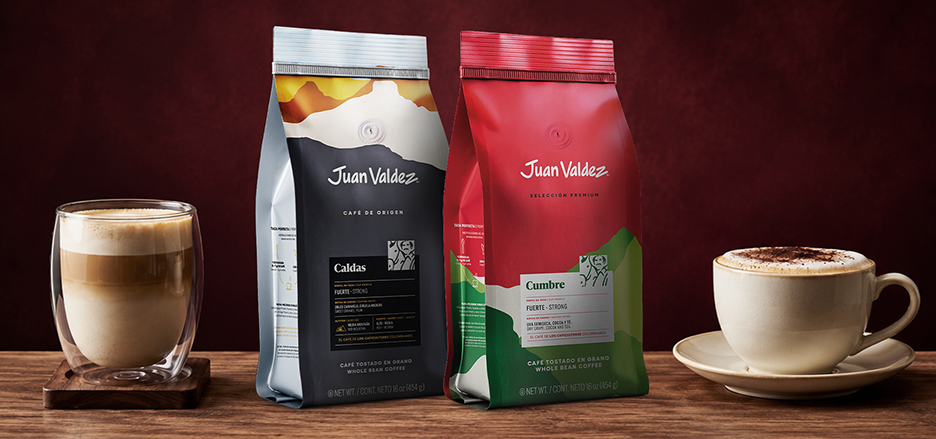
Juan Valdez's Caldas series is a strong starting point for both beverages. Its sweet caramel and ripe fruit notes don't disappear beneath the milk. Instead, they create a natural sweetness when combined with milk, often eliminating the need for added sugar. The balanced acidity of Colombian Arabica also works particularly well in milk-based drinks. Beans with very high acidity can clash with milk, while very dark-roasted beans can become overly bitter. Caldas sits comfortably and satisfyingly between the two.
What Is a Cappuccino?
Cappuccino is one of the most established drinks in Italian coffee culture. It is said to have been named after the Capuchin friars, as its brown color resembles the robes worn by the monks.
A classic cappuccino consists of three equal parts: one shot of espresso, an equal amount of steamed milk, and an equal amount of dense milk foam. The total volume is usually around 150–180 ml, making it a relatively small and concentrated drink.
The foam is thick and dense, firm enough to hold its shape on a spoon. In Italy, eating the foam with a spoon while drinking a cappuccino is considered a little ritual of its own. Because there is less milk, the espresso flavor is much more pronounced. For those who want to experience coffee alongside the softening effect of milk, cappuccino is an excellent choice.
Italian traditionalists tend to drink cappuccino in the morning and may give you a curious look if you order one in the afternoon. The reason is that the relatively high amount of milk can feel heavy on the stomach later in the day.
What Is a Latte?
In Italian, "latte" simply means "milk." Caffè latte, or milk coffee. The name is that simple and perfectly captures the essence of the drink.
A latte typically consists of one or two shots of espresso and 150–200 ml of steamed milk. It is topped with a thin, velvety layer of foam, but this foam is quite different from the thick foam of a cappuccino. It is lighter, more fluid, and fine enough to blend gradually into the milk.
The total volume is noticeably larger than that of a cappuccino, typically ranging from 250–350 ml. This larger volume and higher milk content soften the espresso flavor, making the drink more approachable. Latte is often the first choice for people who are new to coffee or don't enjoy an intense espresso flavor.
Latte is also the natural canvas for latte art. That thin, smooth layer of microfoam can be transformed into hearts, leaves, or rosettas in the hands of a skilled barista. Achieving the same level of detail with the denser foam of a cappuccino is much more difficult.
What Are the Main Differences?
Looking at the numbers can be helpful when comparing the two drinks. Cappuccino traditionally follows a roughly one-third ratio: espresso, milk, and foam are approximately equal. Latte, on the other hand, is much more milk-forward, with roughly four to five times as much milk as espresso. Cappuccino has thick, dense foam, while latte has thin and velvety microfoam. In terms of volume, cappuccino is smaller and more concentrated, while latte is larger and smoother. As a result, cappuccino delivers a strong and pronounced coffee experience, while latte offers a softer and more comforting milk-based option.
The best way to understand what these differences mean in the cup is to try both side by side using the same beans. Make a cappuccino and a latte with Juan Valdez Caldas. Seeing how two completely different cups can emerge from the same espresso base can be a fascinating experience.
Milk Foam: The Detail That Changes Everything
The most defining difference between cappuccino and latte isn't the amount of espresso or milk, but the texture of the foam. This is also the difference you'll notice most when trying to make both drinks at home.
For cappuccino, the foam should be firm and dense. To achieve this, start with cold milk and keep the steam wand close to the surface of the milk. As the milk heats, its volume increases and that characteristic thick foam develops.
For latte, the technique is quite different. The foam should be thin and made up of tiny microbubbles, almost as if it has been incorporated into the milk. The steam wand should be positioned slightly below the surface, with the focus placed on swirling and heating the milk rather than introducing a lot of air. The result is smooth, glossy milk with that signature velvety texture.
It takes some practice to distinguish between the two techniques. But once you learn to recognize the difference in texture, it becomes much easier to adjust your milk-frothing technique according to the drink you want to make.
Which One Should You Choose?
It's entirely a matter of personal preference, and there is no wrong answer. But a few tips can help.
If you enjoy the taste of espresso and want a small, concentrated drink, cappuccino may be the perfect choice for you. If you're looking for a quick and powerful coffee at any time of day, cappuccino delivers exactly that.
If you prefer your coffee smooth and milk-forward, or enjoy sitting down with a large cup in the morning, latte may be the better choice. If you want a drink to accompany you while working in the afternoon, something you can sip slowly over time, latte fits the occasion perfectly.
If you're new to milk-based coffee drinks, start with a latte. As you become more accustomed to the taste of coffee, move on to cappuccino. And over time, give flat white a try as well. Sitting somewhere between cappuccino and latte, this concentrated drink with minimal foam offers a completely different experience.
Try Both with Juan Valdez
Juan Valdez's single-origin ColombianArabica coffees are ideal for exploring these two beverages. Caldas's caramel-forward profile expresses itself beautifully in milk-based drinks. Its natural sweetness remains noticeable in both cappuccino and latte. If you're looking for a balanced espresso base that you can enjoy without adding sugar, Caldas is one of the strongest choices for your first try.
The intense character of the Cumbre series also delivers a rich and satisfying experience, particularly in cappuccino. If you want an espresso base that remains noticeable rather than disappearing into the milk, Cumbre is an excellent option.
There's a reason Colombian coffee works so well in milk-based drinks. Arabica beans that slowly mature at the high altitudes of the Andes develop balanced acidity and natural sweetness, making them an excellent match for milk. It's no coincidence that Italian baristas so often turn to Colombian beans for espresso. When you start with Juan Valdez beans from the Andes, you have the opportunity to enjoy both drinks at their best.
 V60 Brewing Guide – A Step-by-Step Recipe