Products
No results were found for your search. You can try a different keyword.
Why Is Colombian Coffee Among the Best in the World?
Anyone who drinks coffee has crossed paths with Colombia in one way or another. On a package at the supermarket, on a café menu, or through a friend's recommendation. When people hear "Colombian coffee," a certain feeling immediately comes to mind: quality, reliability, balance. But where does this reputation come from? With dozens of coffee-producing countries around the world, why does Colombia hold such a special place?
The answer lies neither in a magical formula nor in a huge marketing budget. It is rooted in geography, climate, human craftsmanship, and a culture refined over centuries.
It All Starts with Geography
The first thing that makes Colombia so special on the coffee map is its location. Its proximity to the Equator means stable temperatures and sufficient rainfall throughout the year. But what truly makes Colombia unique is the Andes Mountains, which run through the heart of the country.
The slopes of these mountains, at elevations between 1,200 and 2,000 meters, create an almost perfect habitat for coffee plants. Days are warm, while nights are cool. This difference in temperature allows the beans to mature slowly, and slow maturation allows more aromas and sugars to develop inside the bean. While a quickly ripened bean can taste flat and lack character, a bean that grows patiently on the Andean slopes develops a layered, balanced, and aromatic profile.
The volcanic soils of the Andes are also exceptionally rich in minerals. These minerals contribute to the development of the beans and help shape the distinctive Colombian coffee profile. When you consider the soil, water, and climate together, the result is a coffee that is difficult to replicate anywhere else.
Two Harvest Seasons: Colombia's Lucky Secret
Most coffee-producing countries around the world have one main harvest season each year. Brazil, Ethiopia, and Guatemala, for example, harvest during a specific period of the year and wait until the following season. Colombia has a significant advantage in this regard. Different regions of the country experience two separate harvest seasons each year.
This means coffee from Colombia can remain fresh almost year-round. As harvesting ends in one region, it begins in another. Thanks to this continuity, the roast date of Juan Valdez coffee found on the shelves can be much more recent. The "long waiting period" that can affect beans from other origins is far less common in Colombia.
Freshness is everything in coffee. Aroma, balance, and finish are all directly connected to freshness. And having two harvest seasons gives Colombia a significant advantage in this regard.
100% Arabica: A Conscious Choice
There is another important factor behind Colombia's reputation for quality: the widespread use of 100% Arabica beans throughout the country. Robusta is not commonly grown in Colombia's main coffee regions because the low-altitude, tropical environments preferred by Robusta are extremely limited there.
But this isn't simply a geographical necessity. The National Federation of Coffee Growers of Colombia has actively protected this quality standard for decades. Arabica's refined aroma profile, lower bitterness, and natural sweetness are fundamental reasons why Colombian coffee has earned such a consistent reputation on the international stage.
Juan Valdez is a product of precisely this standard. Every package contains 100% Colombian Arabica. Details such as where the coffee comes from, which region it was grown in, and how it was processed are also presented transparently. This transparency is becoming increasingly valuable in the specialty coffee world.
A Country with a Different Profile in Every Region
It would be unfair to define Colombian coffee with a single flavor profile because the country doesn't actually produce just one type of coffee. Dozens of regions produce beans with dozens of different characteristics. This diversity makes Colombian coffee both approachable and worth exploring.
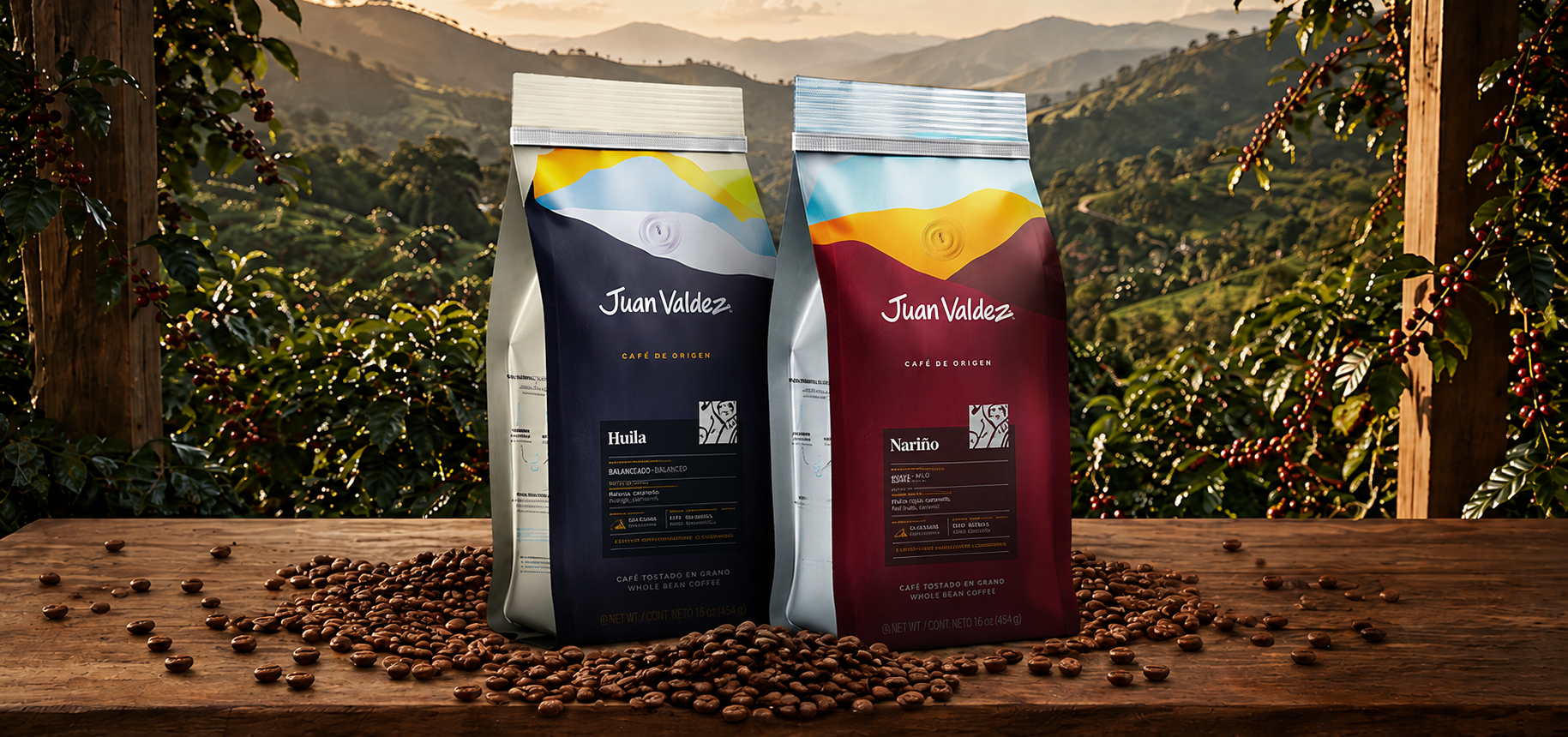
In the south, Huila is one of the regions most frequently mentioned in international coffee competitions. It stands out with red fruit, chocolate notes, and balanced acidity. Further south, Nariño produces a bright and dynamic profile thanks to its high altitude. Citrus notes and vibrant acidity are signatures of the region. Caldas can be considered a center of traditional Colombian coffee production, with caramel-forward, full-bodied, and balanced coffees. Sierra Nevada, located near the Caribbean coast, stands out with chocolate and dried fruit notes.
Juan Valdez brings the richness of these regions to the cup through its single-origin series. Try Huila one week and Nariño the next. Two completely different coffee experiences from the same country may surprise you. This diversity is itself one of the reasons Colombia has maintained its position among the world's great coffee-producing countries.
Human Craftsmanship: What Machines Cannot Do
There is another factor just as important as geography when it comes to Colombian coffee quality: hand picking. The mountainous terrain of Colombia does not allow for large-scale mechanical harvesting. And although this may seem like a limitation, it is actually an advantage.
With hand picking, only ripe coffee cherries are selected. Unripe or overripe cherries are separated. This selectivity directly improves the quality of the final product. In large producing countries such as Brazil, mechanical harvesting is common. Cherries are collected together regardless of their level of ripeness. In Colombia, however, a farming family may head up the mountain early in the morning and pick the cherries one by one.
The more than 548,000 smallholder farming families represented by Juan Valdez are a tangible example of this reality. Each works with only a few hectares of land, but this small scale allows them to give individual attention to their coffee plants. This level of care, which large industrial farms cannot always provide, ultimately shapes the flavor in your cup.
The Role of the National Federation of Coffee Growers of Colombia
Behind Colombia's ability to maintain such consistent quality standards is a strong organizational structure. Founded in 1927, the Federación Nacional de Cafeteros, or FNC, is one of the most successful producer organizations in the history of coffee.
At its core, the FNC's role is to unite small farmers, establish and implement quality standards, and represent Colombian coffee in international markets. The Juan Valdez brand was also created as an initiative of the FNC. A significant portion of the brand's revenue goes back to coffee growers, while investments are also made in research and development and projects addressing climate change.
This model allows small producers to carry challenges collectively that would be difficult to manage individually. This collective strength is one of the main reasons Colombia has maintained its stability and reputation in the global coffee industry for decades.
Colombia in the Specialty Coffee World
Over the past decade, the specialty coffee movement has grown rapidly around the world. Consumers no longer simply want "coffee"; they want to know where it comes from, who grew it, and how it was processed. This shift has strengthened Colombia's position even further.
Colombian beans regularly rank among the top performers in prestigious coffee competitions such as the World Barista Championship and Cup of Excellence. Many Colombian coffees score above 80 points in specialty coffee evaluations, while some beans from regions such as Huila and Nariño have achieved scores above 90, giving them a distinctive place on the global coffee map.
Juan Valdez is actively part of this movement. Single-origin series, region-specific certifications, and transparent traceability are all deliberate steps designed to meet the expectations of specialty coffee consumers. Today, it is increasingly possible to see the journey of a coffee from a small farmer in the Andes to a cup in Istanbul.
Colombian Coffee and Sustainability
Climate change is threatening coffee production on a global scale. Rising temperatures, changing rainfall patterns, and the spread of coffee diseases pose serious risks. Colombia is investing in both research and farmer education to address these challenges. New disease-resistant varieties are being developed, while high-altitude farming areas are being utilized more actively.
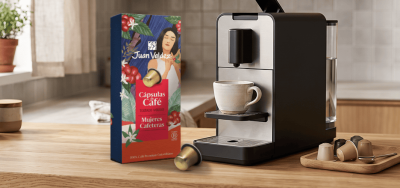
In this process, Juan Valdez contributes to both environmental and social sustainability through initiatives such as Rainforest Alliance certification, organic production options, and programs that highlight women coffee producers. The Mujeres Cafeteras series is not only about good coffee; it is also a choice that makes the work of women farmers in the Andes more visible.
The Reputation Is No Accident
Colombia's position among the world's best coffee producers is certainly no coincidence, nor can it be attributed to a single factor. The right geography, ideal climate, two harvest seasons, a tradition of hand picking, a 100% Arabica standard, strong producer organization, and decades of commitment to quality all come together to create a coffee culture admired around the world.
When you hold a Juan Valdez coffee in your hands, your cup becomes part of this story. That drink, reaching you from the slopes of the Andes, through the hands of a farming family and carefully roasted beans, carries a deep sense of craftsmanship and care behind its reputation. Colombian coffee will undoubtedly continue to make this heritage felt in every sip for many years to come.
 Cappuccino vs. Latte: Which One Is Right for You?
 Capsule Coffee or Whole Bean Coffee?