Products
No results were found for your search. You can try a different keyword.

We rarely think about counting calories when drinking coffee. The first cup in the morning, the second one that gives us a boost in the afternoon—we usually have other things on our minds while enjoying them. But especially for those who pay attention to their diet, this is an important question: How many calories are in coffee?
The short answer is this: Black coffee is almost calorie-free. But once you add milk, sugar, cream, or syrup, the picture changes completely. Many people never take into account the total calories in the coffee they drink two or three times a day. Yet that number can sometimes be much higher than you might expect.
Black Coffee
If you drink filter coffee, Americano, or plain espresso, you do not need to worry much about calories. A 240 ml cup of filter coffee with nothing added contains approximately 2 to 5 calories. This number is so low that it can almost be ignored in your daily calorie intake.
Espresso is similar. A single shot, around 30 ml of espresso, contains only 1 to 3 calories. Even with a double shot, the total barely reaches 5 calories. Since an Americano is simply espresso topped with hot water, its calorie content is almost the same as espresso.
So where do these calories come from? They come from the small amounts of protein and carbohydrates naturally found in coffee beans. Coffee also contains oils, but in filter coffee, paper filters retain most of these oils, so very little passes into the cup. With unfiltered methods such as French press or Turkish coffee, these oils remain in the liquid, although the calorie difference is still not significant.
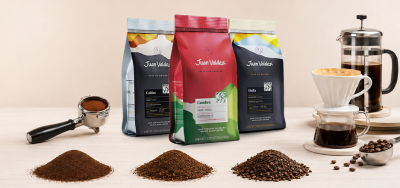
When you drink Juan Valdez filter coffees or whole bean coffees black, you fall into this category. Made from 100% Arabica beans grown in the Andes, they offer a highly satisfying coffee experience with nothing more than water. Their natural caramel and fruit notes create a sense of sweetness that often removes the need for added sugar.
Nutritional Value of Coffee
Coffee is worth examining not only in terms of calories but also for the micronutrients it contains. While a plain cup of filter coffee has almost no calories, its nutritional profile is richer than you might think.
A 240 ml cup of filter coffee contains approximately 116 mg of potassium. Potassium is a mineral that plays a critical role in heart health and blood pressure regulation. The same amount of coffee also contains around 7 mg of magnesium. Magnesium is important for muscle function and the nervous system and is one of the minerals that many people do not get enough of.
Niacin, also known as vitamin B3, is another important nutrient found in coffee. A 240 ml cup contains a small but meaningful amount of the daily recommended intake of niacin. B vitamins play a role in energy metabolism and support nervous system health.
Phosphorus is also part of coffee's nutritional profile. Although the amount is small, it still contributes to daily intake. Coffee is also a useful source of manganese. A cup of filter coffee can provide around three to four percent of the daily manganese requirement. Manganese is a trace element involved in antioxidant defense and bone health.
Caffeine is not technically a nutrient, but it deserves separate consideration because of its effects on the body. A cup of filter coffee contains an average of 70 to 140 mg of caffeine. This amount varies depending on the type of bean and brewing method. Espresso has a higher caffeine concentration, but because the serving size is smaller, a single shot contains approximately 60 to 75 mg of caffeine.
One of the most notable aspects of coffee's nutritional profile is its antioxidant content. Polyphenols, chlorogenic acids, and other antioxidant compounds are found in high concentrations in coffee. Research has shown that coffee is one of the major sources of antioxidants in Western diets. These antioxidants may help combat inflammation, slow cellular damage, and contribute to reducing the risk of certain chronic diseases.
It is also worth noting that because coffee is a water-based beverage, it contributes to daily fluid intake. Although caffeine is known for its mild diuretic effect, moderate coffee consumption has been shown not to disrupt normal hydration balance. In other words, black coffee is a relatively harmless beverage in terms of both calories and hydration.
Coffee with Milk
This is where things really start to change. Everything added to coffee affects its calorie content, and sometimes the difference can be dramatic.
When you drink a latte, the calculation is different. Adding 150 to 200 ml of whole milk to a single shot of espresso brings the drink to around 100 to 150 calories. With a large latte and a double shot of espresso, the total can exceed 180 calories. Using semi-skimmed milk reduces the calorie count by around 15%, while oat milk or almond milk can vary considerably depending on the type and brand.
Cappuccino contains less milk than a latte, so its calorie content is also lower. A medium cappuccino generally contains around 60 to 100 calories. Although the foamed milk makes the drink appear larger, the actual amount of liquid consumed is lower than in a latte.
A flat white falls within a similar range to a cappuccino, usually containing around 70 to 120 calories.
Turkish coffee contains around 5 to 10 calories when consumed without sugar. Adding one teaspoon of sugar contributes another 16 to 20 calories. If you drink Turkish coffee with two sugars twice a day, calories from sugar alone can add up to 60 to 80 calories per day. It may seem small, but it becomes significant over the course of a week.
Where Are the Calories Hiding?
Café menus are where you need to be most careful. While a classic latte or cappuccino can stay within a reasonable calorie range, specialty drinks can exceed those limits very quickly.
Flavored drinks such as vanilla lattes gain approximately 20 to 25 calories with every pump of syrup. With two pumps of syrup, the calorie count can easily exceed 150.
Cold coffee drinks also require attention. An iced latte can remain relatively moderate in calories when kept simple, but frappé-style drinks made with syrups, milk foam, and various toppings can reach 400 to 600 calories. Treating this as "just a coffee" can be misleading, as that calorie amount can equal a substantial portion of a full meal.
Why Does Drinking Coffee Black Make Sense?
Drinking coffee black or with minimal additions is one of the most sensible choices both for calorie control and for experiencing the true flavor of the coffee. As milk, sugar, and syrups are added, the coffee's original aroma gradually moves into the background. At some point, you are tasting the additions more than the coffee itself.
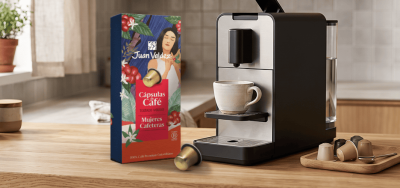
Juan Valdez Mujeres Cafeteras capsules or Caldas, Huila, and other whole bean coffees are good examples of this. The natural caramel and ripe fruit notes of Colombian Arabica create a naturally sweet impression even without added sugar. When enjoyed as a plain espresso or Americano, these notes become more pronounced and the need for sugar naturally decreases. Choosing a good-quality coffee bean is one of the easiest ways to enjoy a satisfying drink without adding extra calories.
How Many Cups Should You Drink a Day?
When discussing coffee's nutritional value, it is also important to consider how much you consume. Research suggests that three to four cups of filter coffee per day are generally safe for most healthy adults and may even provide certain benefits. Some studies have associated this level of consumption with a lower risk of type 2 diabetes, Parkinson's disease, and certain liver conditions.
Caffeine sensitivity varies significantly from person to person. Around 400 mg of caffeine per day, roughly equivalent to four cups of filter coffee, is generally considered the upper safe limit for healthy adults. During pregnancy, the recommended limit is much lower: around 200 mg per day, meaning more than two cups is generally not recommended.
When calculating consumption of milk-based coffee drinks, you also need to consider the calories and fat from the milk in addition to the caffeine. Drinking four large lattes a day can mean consuming 400 to 600 calories from milk alone. This means you may unknowingly be getting a significant portion of your daily calorie intake from beverages.
Coffee Is Innocent, What You Add Isn't
In summary, black coffee is almost calorie-free and is more nutritionally rich than you might expect. Antioxidants, potassium, magnesium, and B vitamins are all present in that cup. When you drink it without adding anything, you get a beverage that is both very low in calories and allows the coffee's natural aromas to fully develop.
As milk, sugar, and syrup are added, this equation changes. But with reasonable portions and the right choices—such as semi-skimmed milk, less sugar, or no sugar at all—milk-based coffees can still easily fit into a balanced diet.
The natural sweetness of Juan Valdez coffees is especially valuable in this respect. Enjoying a satisfying cup without needing to add sugar can be good for both your palate and your calorie balance.