Products
No results were found for your search. You can try a different keyword.
In the world of coffee, most people focus on choosing the beans or brewing method. But when you try the same beans at two different grind sizes, you quickly realize how dramatically the results can change. Grinding may be one of the least discussed, yet most important steps in making coffee.
Knowing the right grind size allows you to unlock the full potential of a good coffee bean. The wrong grind, on the other hand, can turn even the best beans into an ordinary cup. Let's explore why and how.
Why Is Grind Size So Important?
When coffee beans are ground, their surface area increases significantly. The surface area is where water comes into contact with the coffee, and the greater the contact, the faster the aromas in the coffee are extracted into the water.
Very finely ground coffee causes water to extract too much from the grounds. The result is a bitter, harsh, and overly intense drink. This is called "over-extraction." With very coarsely ground coffee, the opposite happens: water flows too easily through the grounds, and the coffee doesn't release enough flavor. The drink remains watery, weak, and bland. This is called "under-extraction."
Each brewing method requires a different grind size to achieve balance. The reason is simple: the contact time between water and coffee differs from one method to another. The shorter the contact time, the finer the grind needs to be; the longer the contact time, the coarser it should be. With espresso, contact is measured in seconds, while with French press, it is measured in minutes. This difference explains why the two methods require completely different grind sizes.
Very Fine Grind: Turkish Coffee and Espresso
At the finest end of the grind spectrum is Turkish coffee. A texture similar to powdered sugar, almost flour-like, is ideal. This fine grind works perfectly with the slow brewing process of Turkish coffee over low heat. Without such a fine grind, it is impossible to achieve its characteristic dense, foamy texture.
Espresso requires a grind that is slightly coarser than Turkish coffee but still very fine. It should feel similar to fine sand, close to fine sea salt. The high pressure of an espresso machine and its short 25–30 second extraction time work perfectly with this grind size. If the grind is too coarse, water passes through too quickly without enough resistance, resulting in a watery, pale, and flavorless espresso. If it is too fine, water struggles to pass through, or the coffee becomes excessively bitter and burnt-tasting.
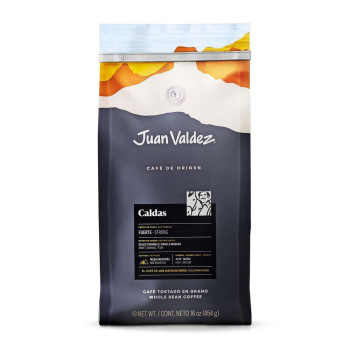
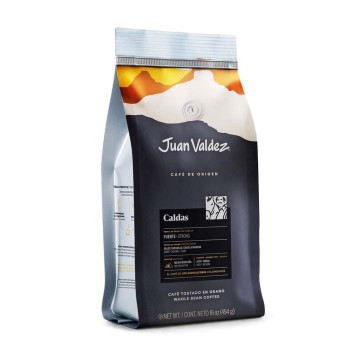
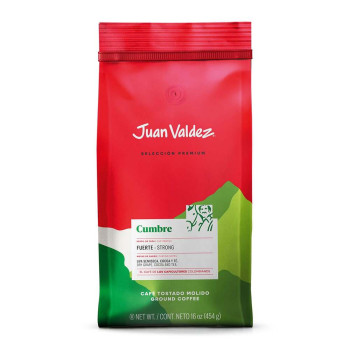
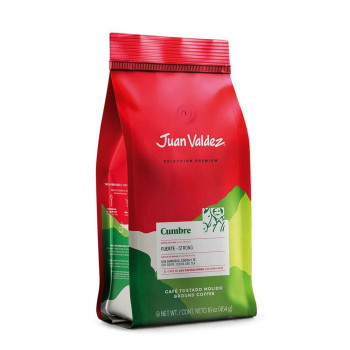
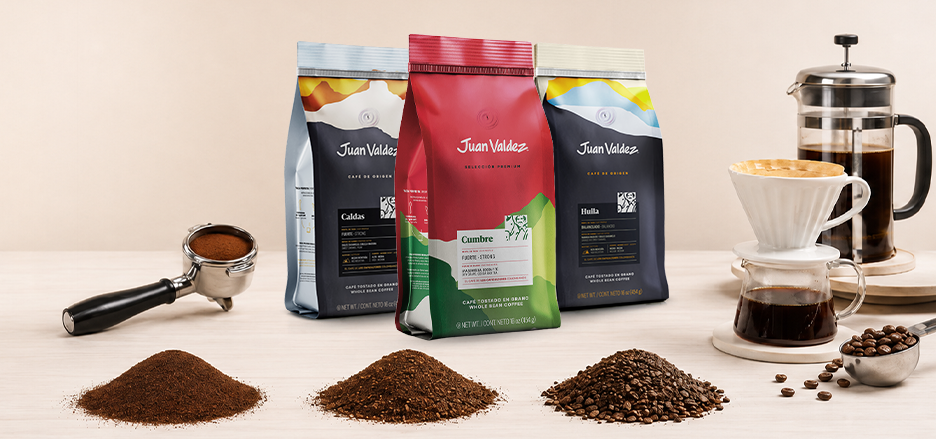
Juan Valdez's Caldas or Cumbre medium-dark roast beans are an excellent starting point for espresso. With an espresso grind, the caramel and ripe fruit notes of these beans become more pronounced, creating a strong yet balanced shot.
Fine Grind: Moka Pot and AeroPress
A grind that is slightly coarser than espresso but still considered fine works well for a Moka pot. Since a Moka pot does not generate as much pressure as an espresso machine, grinding too finely can completely restrict water flow and produce a burnt-tasting drink. Finding the right medium-fine setting may take some experimentation, but once you get it right, a Moka pot can deliver remarkably consistent results.
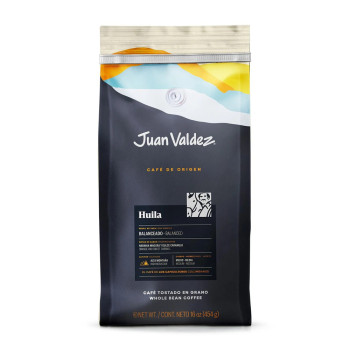
AeroPress is different. It is one of the most flexible brewing methods when it comes to grind size. A fine grind can be used to create a concentrated, espresso-like coffee in a short time. With a coarser grind and longer brewing time, you can achieve a lighter profile. AeroPress enthusiasts use this flexibility for a wide range of experiments. With Juan Valdez Huila beans, a medium-fine grind in an AeroPress brings out both the acidity and fruit notes beautifully.
Medium Grind: Filter Coffee and V60
A medium grind is ideal for filter coffee machines and pour-over methods such as V60. The size of granulated sugar or coarse sea salt provides a good reference point. Not too fine, not too coarse—somewhere right in the middle.
This grind size works well with the average 4–6 minute brewing time of filter coffee machines. During this time, water passes through the coffee and provides optimal extraction at the correct grind size. The same range works for V60, but because you control the pouring speed with V60, you have more flexibility to adjust the grind. If you pour slowly, you can grind slightly coarser; if you pour quickly, you can grind slightly finer to maintain balance.
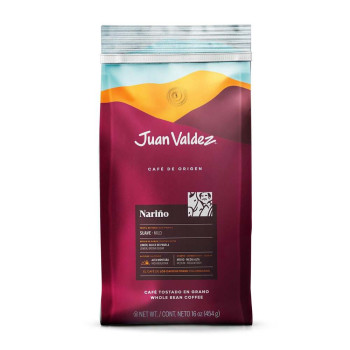
Juan Valdez's Huila and Nariño series are particularly good choices for filter coffee and V60. At a medium grind, the floral and fruity notes of these beans come through clearly in the cup. Since the paper filter retains most of the oils, the resulting coffee is clean and smooth. This method allows you to experience the delicate character of Colombian Arabica at its best.
Coarse Grind: French Press and Cold Brew
A coarse grind is essential for French press. The size of rock salt or coarse sea salt is a good reference. This grind size is important for two reasons. First, French press coffee steeps in water for around four minutes, and a fine grind can cause over-extraction during this time. Second, the metal filter of the French press does not retain finely ground coffee, allowing particles to pass through and leaving your coffee full of sediment.
Cold brew sits at the coarsest end of the grind spectrum. For a long brewing period of 12–24 hours, a very coarse grind, almost the size of broken grains, is recommended. Using such a coarse grind for such a long time helps prevent over-extraction and preserves cold brew's smooth, low-acidity, naturally sweet profile. Juan Valdez Caldas produces a beautiful balance of caramel and chocolate notes when used at a coarse grind for cold brew.
How Should You Choose a Grinder? Blade or Burr?
When discussing the right grind size, it is also important to talk about the type of grinder, because not every grinder produces the same results.
Blade grinders chop coffee using rotating sharp blades. They are inexpensive and widely available, but their grind consistency is poor. The same beans are chopped repeatedly, leaving some particles as fine dust while others remain coarse. This inconsistency is directly noticeable in the cup. Some particles become over-extracted while others are under-extracted, resulting in an unbalanced coffee.
Burr grinders, on the other hand, grind coffee beans between two burrs. Both conical and flat burr models produce consistent and uniform grounds. The beans are broken into similarly sized particles, and this consistency leads to much more balanced extraction. They are more expensive than blade grinders initially, but they are one of the most valuable investments you can make in your coffee experience.
Grinding a quality bean such as Juan Valdez with a blade grinder means wasting much of that bean's potential. A burr grinder can transform the same beans into a significantly better cup.
How Do You Adjust Your Grind?
Although finding the right grind size takes some experimentation, there are a few signs that can guide you.
If you're making espresso and the shot runs in less than 25 seconds, the grind is too coarse; make it slightly finer. If it takes more than 30 seconds to run and the flow is very slow, the grind is too fine; make it slightly coarser. If the shot runs between 25 and 30 seconds and tastes balanced, you've likely found the right setting.
If your filter coffee tastes watery and bland, the grind is too coarse. If it tastes bitter and overly intense, it is too fine. If you can taste balanced, sweet, and fruity notes, your grind is likely at the right level.
If there is too much sediment in your French press and the plunger is difficult to push down, the grind is too fine. If the plunger moves down without resistance and the coffee tastes watery, it is too coarse. If the plunger moves down slowly but smoothly and the coffee has good body, you've found the right setting.
Make each adjustment in small increments. Instead of changing the grind setting dramatically at once, make small adjustments until you find the right point. Also, use the same amount of coffee and water for every test. Keeping the variables consistent will make it much easier to understand what affects the result.
The Importance of Freshly Ground Coffee
Remember that all these grind adjustments only truly matter when using freshly ground coffee. No matter how accurate the grind size is, pre-ground coffee loses its aromas within hours as it is exposed to air.
This is why buying Juan Valdez beans whole and grinding them immediately before each brew makes such a significant difference. To experience all the caramel, fruit, and chocolate notes of Colombian Arabica from the Andes in your cup, the coffee must be both freshly ground and ground to the correct size.
When both conditions are met, you can get the very best cup that the same beans have to offer.