Products
No results were found for your search. You can try a different keyword.
From gyms to social media feeds, nutrition blogs to coffee brands, there is one trend that has been everywhere over the past few years: protein coffee. Also known simply as “proffee,” this drink brings two separate routines together in a single cup.
It sounds practical. But does it really work? Is it possible to add protein without ruining the taste of the coffee? And is every type of coffee suitable for this purpose? You’ll find the answers to these questions below.
What Is Protein Coffee?
Protein coffee is essentially a drink made by combining coffee with protein powder. It is usually prepared cold or lukewarm. Adding protein powder directly to hot coffee can be a little more challenging in practice, as some protein powders may clump or change in taste at high temperatures.
The most common preparation method is simple: protein powder is added to prepared cold brew or espresso, followed by milk or plant-based milk. Using a shaker or blender helps prevent clumping and gives the drink a foamy, creamy texture. Some recipes also add frozen banana or ice to give the drink a smoothie-like consistency.
The trend is particularly popular among people who exercise, but it is gradually reaching a much wider audience. The reason is simple: it shortens the morning routine. Instead of preparing coffee and a protein shake separately, combining the two in one glass seems like an appealing option.
What Does Adding Protein to Coffee Do?
Protein is one of the building blocks of the body. Muscle repair and development, feelings of satiety, and metabolic support are all directly associated with adequate protein intake. For people who start their mornings on an empty stomach or with only a light meal, adding protein powder to coffee can partially address the issue of not getting enough protein from their first meal.
Caffeine, meanwhile, brings its familiar effects into the equation: energy, focus, and performance. Consuming coffee before exercise has been supported by research for years. Caffeine can slightly increase fat burning, improve exercise capacity, and delay the perception of fatigue.
Combining the two makes theoretical sense. Caffeine prepares you for your workout, while protein contributes to muscle recovery. However, it is important to note that adding protein to coffee does not magically transform your diet. It is not possible to meet your entire daily protein requirement with a single cup. Protein coffee should be viewed as a complement to a balanced diet, not as a balanced diet in itself.
Which Protein Powder Works Best with Coffee?
The answer to this question directly affects the taste and texture of the drink. Not every protein powder works well with coffee.
Whey protein is the most commonly used option with coffee. It dissolves well in cold liquids and, because its flavor is relatively mild, it does not overpower the taste of the coffee. Vanilla or chocolate flavors, in particular, pair nicely with espresso or cold brew. However, whey protein has a higher risk of clumping when added to hot coffee. Mixing the powder with cold water or milk first and then adding it to the coffee helps prevent this problem.
Plant-based protein powders such as pea, hemp, and rice protein can be more challenging to combine with coffee. They tend to have stronger flavors and a more noticeable, grainy texture. If you want to use these powders with coffee, a blender is essential; otherwise, the drink may not have a smooth consistency. Sweetened versions can partially solve this issue.
Collagen protein is another popular option in recent years. It dissolves easily even in hot liquids, has little noticeable flavor, and does not interfere with the aroma of coffee. For those who consume collagen for joint or skin health, adding it to coffee is a very practical option. However, collagen is not as effective as whey protein when it comes to muscle development.
Choosing the Right Coffee: The Key Difference in Protein Coffee
If you are going to make protein coffee, your choice of coffee is more important than you might think. Protein powder, especially flavored varieties, can significantly affect the taste of coffee. That is why it is important to choose a coffee with a strong, distinctive, and pronounced flavor profile. Otherwise, the protein powder can completely overshadow the coffee, leaving you with something that no longer tastes like real coffee.
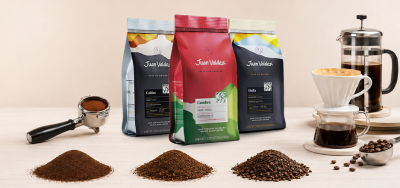
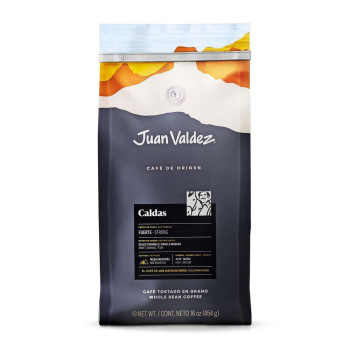
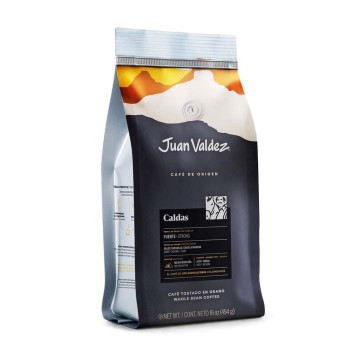
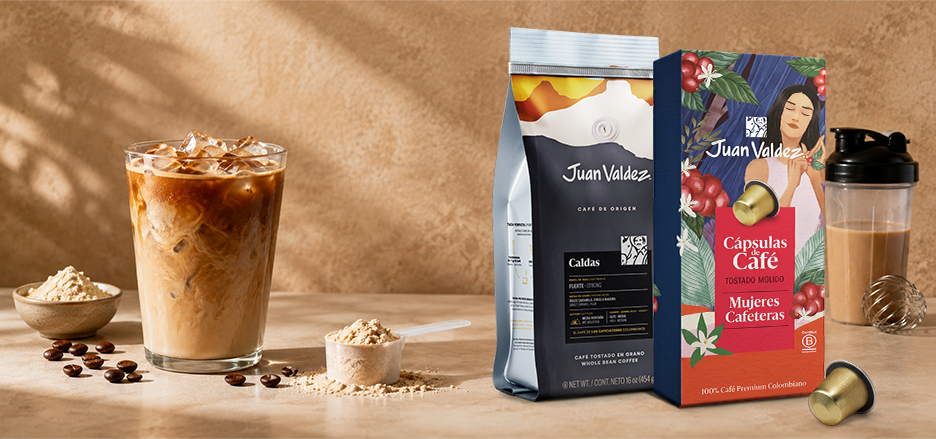
Juan Valdez’s Caldas series is a strong starting point for protein coffee. Its sweet caramel and ripe fruit notes create a natural harmony with chocolate or vanilla protein powders. Rather than getting lost beneath the protein powder, the coffee maintains its character and adds real depth to the drink when combined with it. This harmony becomes even more pronounced when prepared as cold brew.
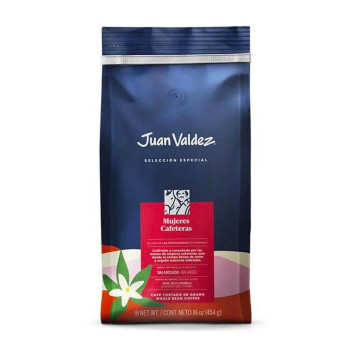
Juan Valdez Mujeres Cafeteras capsules are also a practical choice for protein coffee. On a busy morning, pulling two shots of Mujeres Cafeteras espresso and adding cold milk and protein powder creates a quick yet high-quality drink. The balanced profile of Colombian Arabica helps offset the sweetness of the protein powder, transforming the drink from simply a “sweet shake” into a genuine coffee experience.
How to Make Protein Coffee
The most common method, and the one that generally delivers the best results, is cold brew-based protein coffee. Pour your prepared Juan Valdez cold brew into a glass filled with ice. In a separate container, whisk your protein powder with a small amount of cold milk until smooth. Then add the mixture to the cold brew and stir gently. If you prefer, you can put everything in a blender to create a completely homogeneous drink.
For an espresso-based version, pull two shots of espresso and let them cool for a few minutes until they reach room temperature. Mix the protein powder with milk, add the cooled espresso, and pour the mixture over ice. Avoiding pouring hot espresso directly into the protein powder helps prevent clumping.
If you have very little time in the morning, prepare your cold brew the night before. Coarsely grind your Juan Valdez coffee beans and combine them with water before placing the mixture in the refrigerator. Strain it in the morning. Adding and mixing in the protein powder each morning takes just two minutes. Both your coffee and protein are ready to go.
The Benefits of Protein Coffee and What to Keep in Mind
The first major advantage is convenience. Combining two separate drinks or meals into one cup simplifies your morning routine. It can also help with satiety. The combination of protein powder and caffeine may reduce unnecessary cravings for snacks before lunch. When consumed before exercise, it can provide both an energy boost and amino acid support at the same time.
However, there are also some things to keep in mind. Many protein powders contain sweeteners, artificial flavors, and additional additives. Having one protein coffee a day is reasonable, but making it the centerpiece of your daily diet raises some concerns. Choosing high-quality protein powders with fewer additives will generally produce better results in terms of both health and taste.
It is also important to pay attention to your caffeine intake. If you already drink a lot of coffee, adding more cups on top of your protein coffee could cause you to exceed your daily caffeine limit. Cold brew can be particularly high in caffeine, so paying attention to portion size is essential.
Protein coffee is not a substitute for a complete meal. Although it contains protein, it is still lacking in fiber, healthy fats, and a variety of micronutrients. Having a small meal alongside your morning coffee can help you start the day in a much more balanced way.
What Are the Calories and Nutritional Values?
A simple protein coffee made with cold brew or espresso and one serving of protein powder generally contains between 100 and 150 calories. Adding milk brings the total to around 150–200 calories. As long as you do not add sweeteners or fruit, this can be considered a reasonable calorie range.
The amount of protein depends on the serving size of the powder used. An average serving of whey protein powder provides around 20–25 grams of protein. When the protein from the milk is added, the drink can contain approximately 25–30 grams of protein. If you also take into account the antioxidants and minerals naturally found in coffee, you have a genuinely functional drink. Caffeine, antioxidants, and protein—all in one cup. The only thing missing is fiber, which is not difficult to get from breakfast.
Is It Just a Trend, or Does It Really Work?
Protein coffee is more than just an ordinary social media trend. There is a logical nutritional and performance-related rationale behind it. When made with quality coffee, a good protein powder, and the right proportions, it can genuinely become a functional part of your morning routine.
Juan Valdez coffee beans suitable for cold brew or Mujeres Cafeteras capsules help keep the coffee side of the drink front and center. When the caramel and chocolate notes of Colombian Arabica from the Andes meet the sweetness of protein powder, the result is not only nutritious but genuinely delicious.
If you are going to add a drink to your morning routine, we think combining these two is a pretty good idea.