Products
No results were found for your search. You can try a different keyword.
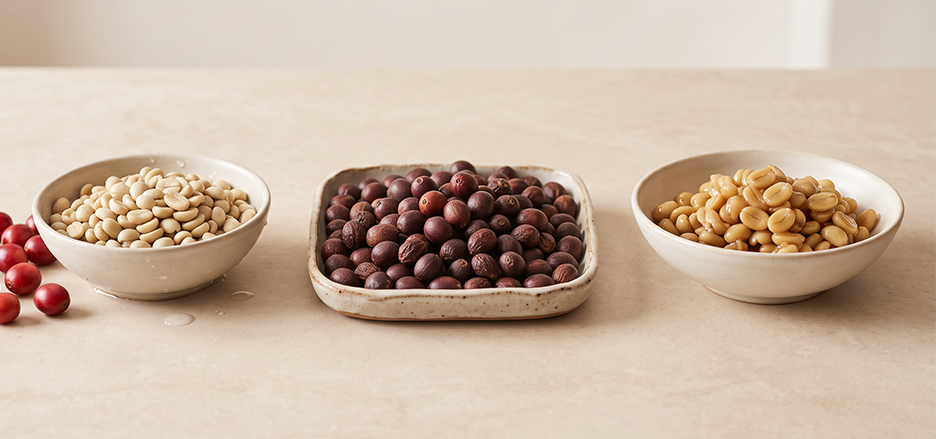
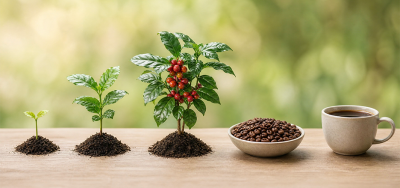
When coffee beans are harvested from the tree, they are still fruit. They look fleshy and juicy, much like cherries, and contain the green bean we know as coffee. To transform them into the coffee in your cup, the fruit must first be removed, the beans separated, and then dried. This stage is called “processing.”
Many coffee drinkers focus on the bean variety, roast level, or brewing method but overlook the processing method. Yet processing can have an even greater influence on a coffee’s flavor profile than its region or roast. Two cherries picked from the same farm, even from the same plant, can produce two completely different cups when processed differently.
That is why understanding the difference between washed, natural, and honey process can make choosing coffee a much more informed and enjoyable experience. Let’s take a closer look at these three methods...
The Basic Structure: From Coffee Cherry to Bean
To understand the three methods, you first need to know the anatomy of a coffee cherry. From the outside in, there are five layers. On the outside is the red or yellow skin, followed by the fruit pulp, then a sticky gel-like layer called mucilage, followed by a thin membrane called parchment, and finally the raw green bean we know as coffee.
The fundamental difference between processing methods lies in when and how these layers are removed. How much of each layer remains in contact with the bean, and for how long, changes the amount of sugars and acids transferred to the bean during drying. This directly shapes the flavor in the cup.
Clean, Clear, Acidity-Focused: Washed Process
The washed process, also known as the wet process, is the most widely used processing method in Colombia, as well as in Central America, Ethiopia, and Kenya. Since the majority of Juan Valdez coffee beans are processed using this method, understanding washed processing is particularly important when talking about Colombian coffee.
The process works as follows: freshly harvested coffee cherries first pass through a pulping machine, where the outer skin is removed. The beans that emerge are still covered with a layer of mucilage. They are then placed in large water tanks and left to ferment for 24 to 72 hours. During this process, bacteria break down the mucilage layer. Once fermentation is complete, the beans are thoroughly washed and dried in their parchment form.
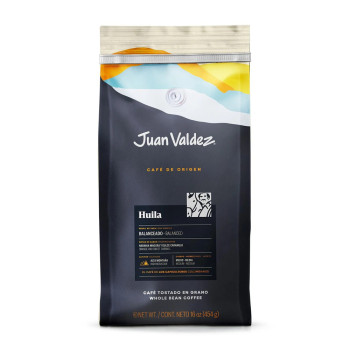
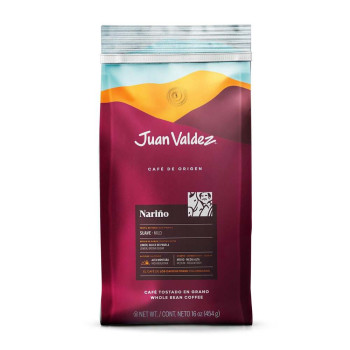
The result of the washed process is very distinctive in the cup: clean, clear, and highly acidic. Because the influence of the fruit pulp is minimal, the bean’s own characteristics—reflecting its region, soil, and altitude—come through much more clearly. The bright acidity and red fruit notes of Huila and the citrus character of Nariño are largely a result of washed processing.
When you drink a washed Colombian coffee, you can expect a clean, refreshing, and crisp experience. The sweetness is natural but not dominant, acidity takes center stage, and the finish is long and clear. In the specialty coffee world, these qualities are considered a profile that reveals the origin and quality of the bean with exceptional clarity.
Sweet, Fruity, Intense: Natural Process
The natural process, also known as the dry process, is the oldest and simplest of the processing methods. No pulping or washing takes place. The harvested coffee cherries are spread out whole, with nothing removed, under the sun on raised drying beds or large drying patios. They dry for weeks, sometimes for more than a month.
During this process, the fruit pulp and mucilage slowly dry around the bean, gradually transferring their sugars and flavors to it. In essence, a long and carefully controlled fermentation process takes place, but rather than occurring in a tank, the process develops naturally within the fruit.
The result is almost the opposite of washed coffee. Natural process coffees offer an intense, fruity, sweet, and complex flavor profile. Common aromas include strawberry, raisin, fig, and tropical fruits. Acidity is lower, while body is heavier and sweetness is more pronounced.
Natural processing is relatively less common in Colombia because the humid conditions on the slopes of the Andes make long periods of open-air drying more challenging and risky. Humidity can cause fermentation to develop in unexpected ways. In Ethiopia, Brazil, and Yemen, however, natural processing is extremely common. Anyone who has tasted coffee from these regions and enjoyed its intense, jammy character has experienced the distinctive qualities of natural processing.
Juan Valdez also occasionally offers natural process beans in special and experimental editions. These coffees have a noticeably different profile from the standard washed series and offer an experience that goes well beyond the familiar balance of Colombian Arabica.
Honey Process: The Balance Between the Two
The honey process attempts to bring the characteristics of both washed and natural processing together in a single method. Its name comes from the sticky mucilage layer left on the surface of the bean during processing, which resembles honey. It has nothing to do with the taste or presence of actual honey.
The process works as follows: the outer skin of the cherry is removed, but all or part of the mucilage layer is left on the bean. The beans are then dried in this state. They do not go into fermentation tanks like washed coffee, nor are they dried whole with the fruit like natural coffee. They sit somewhere in between.
The more mucilage that is left behind, the greater the sweetness and body, bringing the coffee closer to a natural profile. The less mucilage that remains, the cleaner and more acidic the cup becomes, bringing it closer to washed coffee. This is why honey processing is further divided into different levels: yellow honey, red honey, and black honey. With yellow honey, most of the mucilage is removed, while black honey leaves a layer closer to that of natural processing.
Honey process coffees generally offer a balanced, moderately acidic, sweet, and creamy profile. Neither the intense fruitiness of natural coffee nor the sharp clarity of washed coffee dominates. Instead, they occupy a satisfying middle ground. They also work particularly well in milk-based drinks. In a latte or cappuccino, honey-processed Colombian Arabica can maintain a balance between the character of the coffee and the milk.
Which Method Is Better?
This question is somewhat misleading because all three methods can produce exceptional results. The real question is: What are you looking for in your cup?
If you want cleanliness, brightness, and a clear expression of the bean’s origin, washed process is for you. The familiar balanced and clear profile of Juan Valdez’s standard Huila, Nariño, and Caldas series comes largely from washed processing.
If you are looking for a fruity, sweet, and intense experience, natural process offers an exciting discovery. It may seem unusual the first time you try it, but once you develop a taste for it, it offers a complexity that is difficult to find through other processing methods.
For those looking for balance—some sweetness, some clarity, and an easy-drinking character—honey process is an ideal starting point. It offers more body than washed coffee and more clarity than natural coffee.
The best part is that all three methods are valid, and all three can produce beautiful results.
Is the Processing Method Listed on the Packaging?
Specialty coffee brands are increasingly including the processing method on their packaging. Terms such as “washed,” “natural,” “honey,” or “lavado” are now becoming standard information on coffee bags.
You can find this information on Juan Valdez single-origin and special series products. The next time you shop for coffee, check the back of the package to learn where the beans come from, their roast level, and how they were processed.
Processing and Sustainability
The washed process requires a significant amount of water. Hundreds of liters of water may be needed for every ton of coffee cherries. This water consumption and the environmental impact of wastewater from fermentation have become serious concerns in many coffee-producing countries, particularly Colombia.
Juan Valdez and the FNC are working to address these concerns. Water-saving washed processes are being developed, and wastewater treatment systems are becoming more widespread. The fact that natural and honey processes require less water also makes these methods increasingly attractive from a sustainability perspective.
Understanding this side of coffee completes the bigger picture behind the drink in your cup. Good coffee is measured not only by its flavor, but also by the health and sustainability of the system that produces it.