Products
No results were found for your search. You can try a different keyword.

When it comes to cold coffee, cold brew is usually the first thing that comes to mind. But cold brew has one competitor: Flash Brew. This method, which has been practiced in Japan for decades and is gaining increasing attention in the specialty coffee world, is one of the fastest, most aromatic, and perhaps smartest versions of cold coffee.
While cold brew requires 12 to 24 hours of patience, Flash Brew is ready in just a few minutes. The result is very different from cold brew, both in appearance and taste. And once you try it, you understand why it has become such a widely discussed method.
What Is Flash Brew?
Flash Brew is a method in which hot-brewed coffee is poured directly over ice and instantly chilled. The word “Flash” describes exactly what happens: rapid cooling. The aromas that develop during brewing are immediately captured by the ice before they can escape into the air or oxidize.
In Japan, it is known as “Iced Pour-Over” or “Japanese Iced Coffee” and has become a staple of Japanese specialty cafés, particularly since the 1990s, when third-wave coffee culture began to spread. The method is also becoming increasingly recognized around the world.
The basic idea is simple: you replace half of the water you would normally use in a pour-over or V60 recipe with ice. The hot water poured over the coffee extracts its flavors, while the ice underneath instantly cools the coffee. The result is neither a completely hot drink nor a beverage that has been steeped for hours like cold brew. It has a flavor profile entirely its own.
How Is It Different from Cold Brew?
This is an important question because although both are cold coffee methods, the difference between them is quite significant.
Cold brew is made by steeping coffee in cold water for 12 to 24 hours without applying any heat. This long, cold brewing process does not extract most of the acids. As a result, cold brew produces a low-acidity, smooth, slightly sweet, and full-bodied drink. Fruit notes become more subtle, while caramel and chocolate flavors come forward.
Flash Brew, on the other hand, uses hot water. Hot water extracts the acids, fruit notes, and volatile aromas in coffee much more quickly and efficiently. These aromas would normally evaporate and disappear when hot coffee is served, but in Flash Brew, the coffee is instantly cooled by ice, trapping these aromas in the liquid.
As a result, you get the best characteristics of both hot and cold coffee in the same cup: the refreshing coolness of cold brew and the aroma of hot coffee.
In short, cold brew is smooth, mellow, and silky. Flash Brew is lively, bright, and aromatic. They simply suit different moods.
Why Japan?
Japanese coffee culture has always stood out for its precision, technique, and aesthetics. Specialty cafés in Tokyo are known for baristas who dedicate great attention to preparing a single cup of coffee and adjust every variable with meticulous precision.
Flash Brew emerged from this culture. But Japanese coffee culture does not settle for the idea that “as long as it is cold, it is enough.” The goal is to make the coffee cold without sacrificing any of its aroma. Flash Brew satisfies both of these expectations at once.
Technically, it is also a very Japanese approach: minimum loss, maximum efficiency. No aromas are allowed to escape into the air, there is no waiting time, and the equipment investment is minimal. Anyone who knows how to make pour-over coffee can prepare Flash Brew.
Which Coffee Is Suitable for Flash Brew?
Flash Brew calls for a different bean profile than cold brew. While cold brew works best with medium- to dark-roasted beans featuring caramel and chocolate notes, Flash Brew shines with light- to medium-roasted beans that have high acidity and fruity notes.
The reason is clear: the main strength of Flash Brew lies in capturing aromas. Floral, fruity, and acidic notes become exceptionally prominent with this method. When Flash Brew is made with dark-roasted beans, this advantage is lost. There is simply less to capture from a bean whose aroma profile is already limited.
Juan Valdez Nariño is almost tailor-made for Flash Brew. Nariño, one of Colombia’s high-altitude coffee regions, has bright citrus acidity and lively fruit notes that open up beautifully with the Flash Brew method. These notes can normally be detected even in hot coffee, but when chilled through Flash Brew, the profile becomes much fresher and more vibrant.
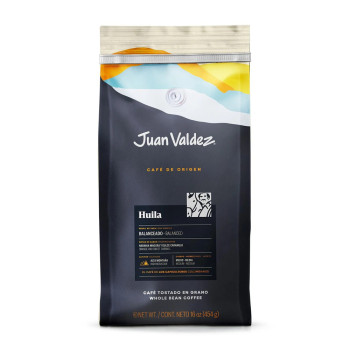
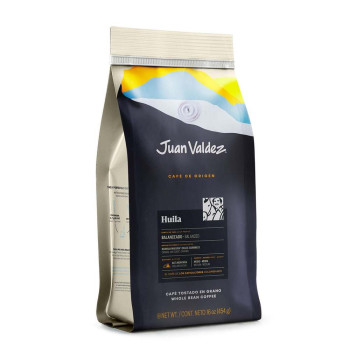
Huila is also a strong alternative. Its red fruit notes and balanced acidity truly come into their own in a Flash Brew chilled over ice. If you are looking for a refreshing yet satisfying drink in the afternoon, Huila and Flash Brew make an excellent combination.
How to Make Flash Brew?
For equipment, all you need is a V60 or any pour-over brewer, a suitably sized container, ice, and freshly ground coffee. A gooseneck kettle can help with pour control, but it is not essential.
Before you begin, there is one important point: the water calculation is different from a regular pour-over recipe. If you normally use 225 ml of water for 15 grams of coffee, in Flash Brew, half of that water will be replaced with ice and placed in the container or a large glass beforehand. The remaining 110–115 ml of water will be hot and poured over the coffee as usual. As you can see, the total liquid volume remains the same; only half of it is waiting below in the form of ice.
The grind should be slightly finer than for a regular pour-over recipe. Since there is less hot water, more extraction needs to take place from the coffee in a shorter amount of time. A finer grind helps maintain this balance. You can use Juan Valdez Nariño beans ground one step finer than your usual filter setting.
Start by rinsing the paper filter and placing plenty of ice in a large glass. Position the V60 over the ice-filled glass. Add the ground coffee and heat your water to 92–94°C.
It is important not to skip the blooming stage. Use a small amount of water to bloom the coffee for 30 seconds. Then slowly pour the remaining water in circular motions. As the hot coffee flows through the V60, it comes into contact with the ice below and cools instantly. Steam rises, the ice melts, and the two come together. Within a few minutes, everything is complete.
The result is a bright, cold, aromatic drink that is ready to serve without adding extra ice. The ice is already part of the brewing process, so there is no need to worry about additional dilution.
The Details That Make Flash Brew Special
There are a few subtle points to keep in mind when making Flash Brew. First, the amount of ice is critical. If you use too little ice, the coffee will not cool quickly enough and the drink may become diluted. If you use too much ice, the hot water may cool before it has extracted enough from the coffee. Using an amount of ice equal to approximately half of the total water volume creates the right balance.
Pouring speed is another important detail. Since the amount of hot water is reduced in Flash Brew, every drop needs to be used efficiently. Pouring slightly more slowly and carefully than with a regular pour-over can result in better extraction.
Using large, high-quality ice also makes a difference. Small ice cubes melt too quickly and can dilute the drink. If possible, use large cubes or ice sticks. They melt more slowly and also create a much more elegant presentation.
Finally, Flash Brew is one of the cold coffee methods that requires the least waiting time. Unlike cold brew, it can be enjoyed immediately. This makes it ideal both for cafés and for enjoying cold coffee at home.