Products
No results were found for your search. You can try a different keyword.
What Is Acidity in Coffee and Why Is It Important?
When we say, “This coffee is too acidic,” “sour,” or “it gives me heartburn,” do we actually know what we mean? The word acidity comes up frequently in coffee conversations, but it is often misunderstood or only partially understood. For some, it is a quality praised in the specialty coffee world. For others, it is a flaw to be avoided.
The difference lies in what we understand by acidity. The acidity in coffee is not the same as the sourness you experience when drinking lemonade. Nor is it directly related to heartburn. Once you understand this distinction, coffee selection takes on a whole new dimension.
What Does Acidity Mean in Coffee?
Acidity in coffee is a chemical characteristic measured by pH. Coffee is naturally an acidic beverage. Its pH typically ranges from 4.5 to 6. For comparison, lemon has a pH of around 2, while water has a pH of 7. So coffee is not as acidic as lemonade; it is simply below neutral, somewhere in between.
But in the specialty coffee world, acidity is not limited to a pH measurement. It is used more to describe a sensory experience. You can think of it as the liveliness in the cup, the refreshing quality, or the bright sensation on the tongue. Good acidity keeps coffee from feeling one-dimensional and adds dynamism to the cup. It is often what carries the aroma, creates a lingering finish, and makes you want to take another sip.
In specialty coffee terminology, expressions such as “bright acidity,” “lively acidity,” or “clean acidity” are used positively. Sourness or bitterness, on the other hand, is more often associated with improper brewing, over-extraction, or low-quality beans rather than acidity itself. The two are different.
The Acids Found in Coffee
Coffee contains dozens of different acidic compounds, but a few of them play a particularly important role in flavor.
Chlorogenic acid is the most abundant acid in coffee. It is present in large amounts in green coffee beans but breaks down during roasting. More of it is retained in light-roasted beans, while much of it disappears during dark roasting. Known for its antioxidant properties, chlorogenic acid also contributes to coffee’s slightly bitter foundation.
Citric acid is the same acid found in lemons and citrus fruits. The concentration of citric acid in coffee is directly associated with citrus and tropical fruit notes in the cup. It is particularly noticeable in beans from high-altitude regions of Ethiopia and Colombia, especially Nariño.
Malic acid is the same acid found in fruits such as apples and pears. If you detect green apple or underripe fruit notes in the cup, malic acid is playing a role. It is more common in high-altitude Arabica beans.
Acetic acid is the acid found in vinegar. When present in very small amounts, it can add pleasant complexity to coffee. However, when fermentation becomes uncontrolled, excessive acetic acid can develop, making the coffee taste unpleasantly vinegary. This is not good acidity; it is the result of a processing error.
Phosphoric acid is a lesser-known component that helps shape the mouthfeel of coffee. It enhances sweetness and contributes to a smoother perception of acidity.
Factors That Shape Acidity
The level of acidity in the cup is not fixed or unchangeable. At every stage from seed to cup, different factors can increase or decrease acidity.
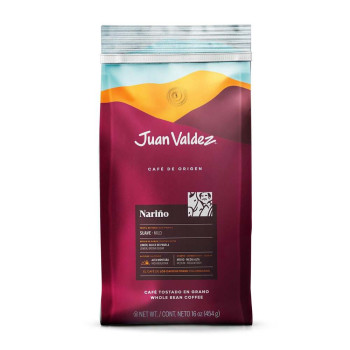
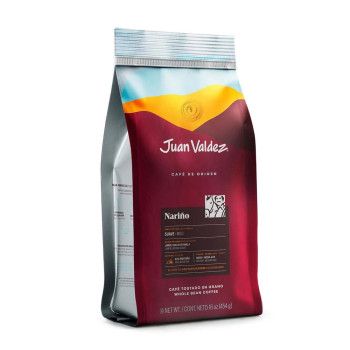
Altitude is one of the most influential factors affecting acidity. Coffee plants grown at higher elevations mature more slowly. This slower maturation allows more organic acids to accumulate in the beans. This is why a Nariño bean grown at 2,000 meters can have much brighter and livelier acidity than a bean from a region closer to sea level.
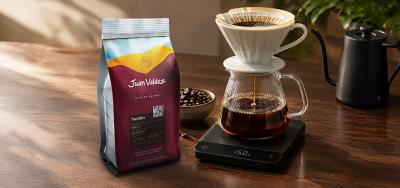
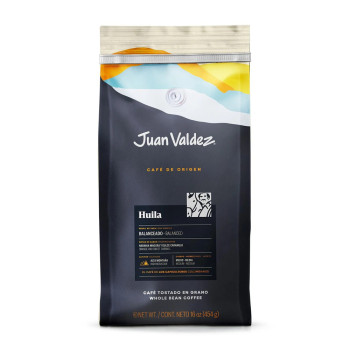
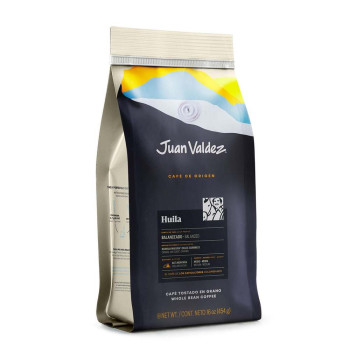
Colombia’s Andes Mountains are particularly advantageous in this regard. Juan Valdez’s Nariño series comes from one of Colombia’s highest-altitude coffee-growing regions, and this elevation is clearly reflected in the cup. Huila grows at somewhat lower elevations but still offers balanced and bright acidity.
Bean variety is another determining factor. Arabica naturally has higher acidity compared with Robusta. The variety and concentration of organic acids differ between the two. For this reason, the acidity in Juan Valdez coffees made with 100% Arabica beans is much more pronounced and complex than in coffees dominated by Robusta.
Processing also plays a critical role in acidity. The Washed Process brings acidity to the forefront. Fermentation and washing help reveal the bean’s natural acid profile more clearly. The Natural Process, on the other hand, tends to soften acidity due to the influence of sugars and produces a sweeter, fruitier profile. The Honey Process falls somewhere in between.
Roast level may have one of the fastest and most dramatic effects. Light roasting preserves and highlights acidity. Chlorogenic acids have not yet broken down completely, while citric and malic acids remain active. During dark roasting, these acids largely break down and acidity becomes significantly less noticeable. Bitterness and caramelized flavors come forward. This is why acidity is barely noticeable in dark-roasted coffees, while it can be a dominant characteristic in light-roasted beans.
Brewing method and water temperature also affect acidity. Since cold water extracts fewer acids, cold brew, for example, is known for its lower acidity. Higher water temperatures extract more acids. V60 and filter coffee can offer higher perceived acidity than French press because the paper filter retains some oils while allowing acids to pass into the cup.
What Is Good Acidity and What Is Bad Acidity?
This distinction is one of the most confusing aspects of coffee. Not all acidity is the same, and high acidity is not always good, just as low acidity is not always bad.
Good acidity is balanced and pleasant. It stimulates the tongue without being harsh. It carries the coffee’s aromas, creates a lingering finish, and adds liveliness to the drink. The bright citrus notes of a Nariño bean or the red fruit tones of Huila are examples of where good acidity makes itself heard.
Bad acidity can result from several different factors. Under-extraction, meaning the coffee has not been brewed sufficiently, can leave a harsh and unpleasant sourness on the tongue. Stale or low-quality beans can produce a drink in which the aromas have faded, leaving behind only its raw acidity. Over-fermented beans or beans affected by processing errors can develop undesirable acidic profiles reminiscent of vinegar or fermented fruit. None of these are related to the coffee’s natural, desirable acidity. They are reflections of an error or a quality issue.
Stomach Issues and Acidity
For those who say, “Coffee gives me heartburn,” the issue of acidity takes on another dimension. There is also a common misconception here.
The effect of coffee on the stomach is not simply a matter of pH acidity. The caffeine and other compounds found in coffee can stimulate stomach acid secretion. This effect is not directly related to the pH value of the coffee. Dark-roasted coffees marketed as low-acid do not always eliminate stomach discomfort because the issue is often related to the effects of caffeine on the stomach rather than acidity itself.
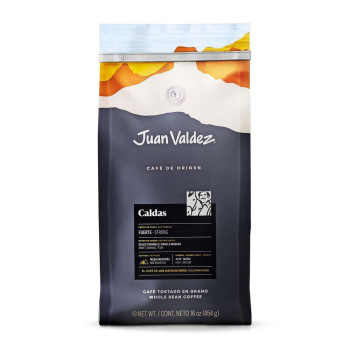
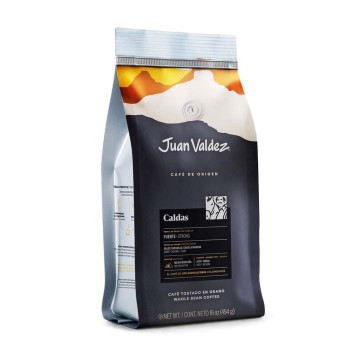
That said, low-acid coffees can be more comfortable for people who are genuinely sensitive to acidity. Dark roasts, cold brew, or beans grown at lower altitudes may cause less discomfort in this regard. Compared with Nariño, Juan Valdez’s Caldas series offers more balanced, medium acidity. It can be a more suitable starting point for those with sensitive stomachs.
Juan Valdez and Acidity: A Profile That Changes from Region to Region
Juan Valdez’s single-origin series provides an excellent opportunity to discover how acidity can vary from one bean to another.
Nariño, one of the highest-altitude regions, offers bright and pronounced acidity. Citrus notes, a lively sense of freshness, and a long finish. This profile can be understood most clearly when brewed as filter coffee or V60.
Huila has a more balanced acidity. It offers red fruit notes without the sharpness of Nariño. It is a profile you can enjoy every morning—one that lets you experience acidity without becoming overwhelming.
Caldas is fuller-bodied and caramel-forward. Here, acidity takes a back seat while sugar and chocolate notes come forward. For those who prefer to avoid acidity or want to prepare milk-based drinks, Caldas is a safe choice.
Try these three in sequence—beans from the same Colombian soil, yet with completely different acidity profiles. This exploration will make the meaning of acidity truly tangible for you.
Juan Valdez offers a rich range for this exploration. Different slopes of the Andes speak with different voices. Which one you want to hear is up to you.