Products
No results were found for your search. You can try a different keyword.
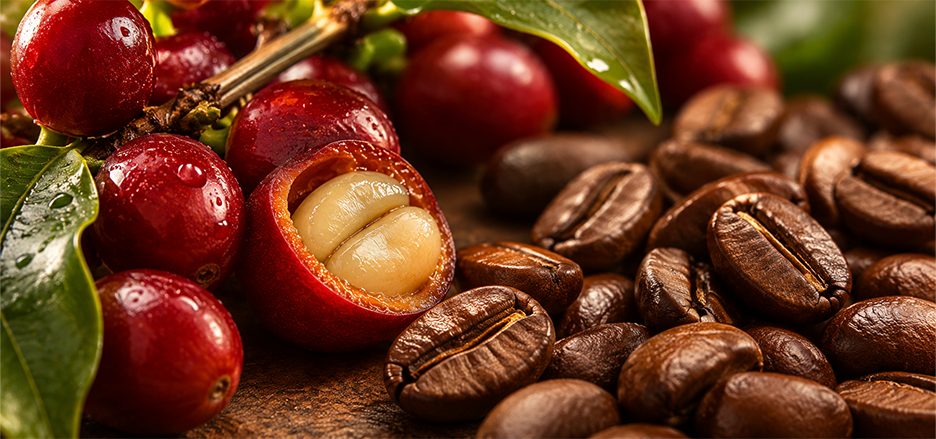
This is not a buying guide. Instead, it takes a closer look at the tiny bean inside your coffee package: its structure, classification, and the common misconceptions surrounding it. Here, you’ll discover the details that will help you enjoy your next cup of coffee with a little more knowledge and appreciation.
A coffee bean is actually a seed. Inside the cherry-like fruit of the coffee tree, there are usually two seeds positioned opposite each other, with their flat sides facing inward. This is why you can see a thin line running down the middle of most coffee beans.
Sometimes, only a single seed develops inside the fruit, taking on a rounded shape. These beans are called peaberries and make up only a small percentage of the harvest. Some roasters separate them and offer them as a distinct product because their rounded shape can allow for more even heat distribution during roasting.
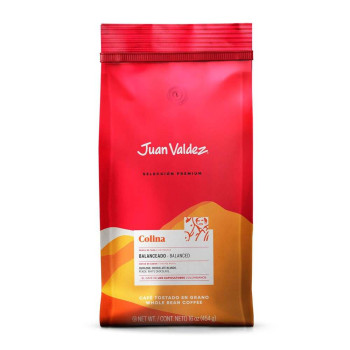
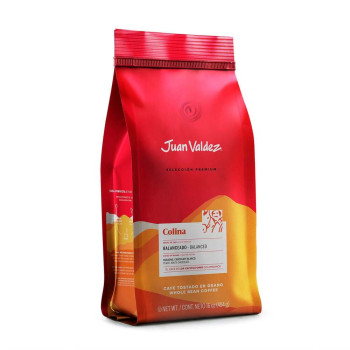
These special beans are also important to Juan Valdez. Peaberries account for approximately 15–20% of the beans in our coffees. In fact, one of our most special coffees, Colina, is made from 100% peaberry beans, offering the opportunity to discover a truly distinctive coffee experience.
After harvesting, all coffee beans are processed and dried, taking on a greenish color. At this stage, they are known as green coffee beans and have not yet developed the familiar aroma of roasted coffee. Their aromas emerge during the roasting process.
Arabica and Robusta are coffee species, but each species contains dozens of different varieties. A variety refers to a distinct genetic line within the same species, directly influencing flavor profile, yield, and disease resistance.
Typica and Bourbon are considered among the oldest and most established Arabica varieties. Caturra is a shorter, high-yielding variety widely grown across Latin America. Geisha, meanwhile, is a rare and expensive variety that has gained worldwide recognition in recent years for its distinctive floral and tea-like aromas.
In Colombia, coffee varieties also have a scientific history. Cenicafé, the research center of the National Federation of Coffee Growers of Colombia, develops varieties resistant to diseases such as coffee leaf rust. One of these varieties, Castillo, is cultivated in many regions across the country. This means that behind every cup of Juan Valdez coffee lies not only a tradition of farming but also decades of research and agricultural development.
After harvesting, coffee beans are classified according to their size. This process involves using sieves with different hole diameters. Each bean is assigned a screen number based on the sieve it remains in. The higher the number, the larger the bean.
Although size alone does not determine quality, it plays a crucial role in consistency. When beans in the same batch are similar in size, they heat evenly during roasting. When beans of different sizes are roasted together, smaller ones may burn while larger ones remain underdeveloped.
Colombia also has its own classification terms. Supremo refers to the largest bean size category, while Excelso describes slightly smaller beans. If you see these terms on a coffee package, they give you an indication of the bean's size standard.
Not every harvested coffee bean is perfect. Beans affected by insects, broken beans, over-fermented beans, and under-ripe beans can all find their way into a batch. These defective beans can introduce bitter, sour, or mold-like flavors into the cup.
Quality-focused producers remove these beans through both mechanical and manual sorting. Colombia's tradition of hand-picking makes this process easier from the very beginning, as it allows farmers to select ripe coffee cherries during harvesting. A significant part of the clean and balanced profile you experience in Juan Valdez coffees comes from this meticulous sorting process.
The term "specialty," which you frequently see on coffee packaging, does not have to be just a marketing slogan. Under international coffee quality standards, beans are evaluated by trained coffee professionals and scored on a scale of 100. Coffees scoring 80 points or above are classified as specialty coffee.
This scoring process considers several criteria, including aroma, flavor, acidity, body, balance, and aftertaste. The number of defective beans must also remain within strict limits. In other words, the specialty label indicates that both the flavor and quality of the beans have been evaluated against established standards. When you see this label, asking about the actual score and who conducted the evaluation can also reveal how transparent the brand is.
Single-origin coffee consists of beans sourced from a single region or farm. Its purpose is to showcase the distinctive character of that particular place. Each batch may have slight variations, but that is part of its appeal: experiencing the unique characteristics of a region in your cup.
A blend, on the other hand, is created by intentionally combining beans from multiple origins. The goal is to deliver a consistent flavor profile throughout the year or bring together the strengths of different origins. This approach is particularly common in espresso blends.
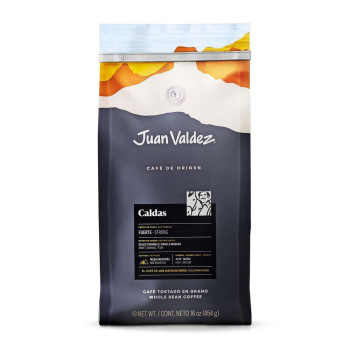
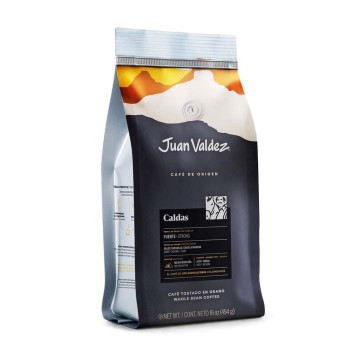
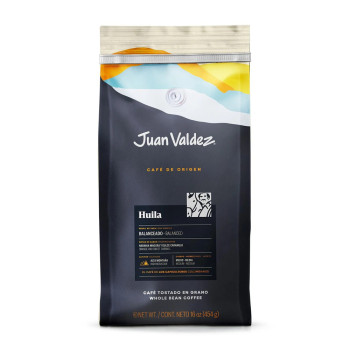
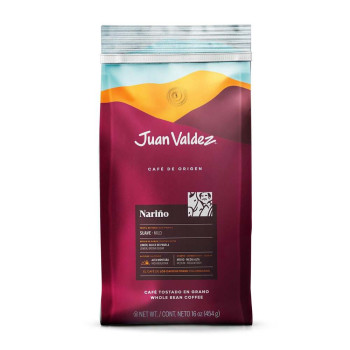
Neither approach is inherently better than the other. Single-origin coffees are exciting for those who enjoy exploring different flavors, while blends are a reliable choice for those who prefer the same balanced taste every morning. Juan Valdez's regional collections, including Huila, Nariño, and Caldas, offer excellent examples of the single-origin approach.
There are several misconceptions that have circulated in the coffee world for years.
One common belief is that dark-roasted coffee contains more caffeine. In reality, the difference is very small. The reason dark-roasted coffee often tastes and feels "stronger" is its more pronounced flavor profile. The main factor determining caffeine content is the coffee species itself: whether the beans are Robusta or Arabica.
Another widespread misconception is that beans with an oily surface are defective. In fact, during dark roasting, the natural oils inside the beans can gradually migrate to the surface. This is a normal process. The problem arises when oily beans are very old and the oils have become oxidized.
Another misconception is that there is a separate coffee species called "espresso beans." Espresso beans do not come from a different coffee plant. Any coffee bean can be used for espresso, provided it has been roasted appropriately and ground to the right consistency. The same beans can also be used to prepare filter coffee.
At first glance, a coffee bean may look like a simple seed. But within it lies a story shaped by genetics, geography, science, and craftsmanship. Every detail, from its variety and size to its defect rate and quality score, influences the final result in your cup.
Juan Valdez's 100% Colombian Arabica beans come from a production chain in which these details matter. Classification standards, the tradition of hand-picking, and regional diversity all reflect the value the brand places on its coffee beans.
The next time you prepare a cup of coffee, take another look at the beans. The story behind that tiny seed is much longer than you might imagine.
 How to Make a Caramel Macchiato?